


To view the mudroom merely as a storage space is a fundamental error in lifestyle operations. It is a high-impact utility gateway. It operates as the structural airlock of the home, meticulously designed to manage supply-chain logistics, isolate inbound environmental friction, and execute the psychological handoff between the external world and the interior domestic sanctuary.
The Physics of the Handoff
Spatial energy transitions dictate human behavior. When inhabitants cross the threshold from the street to the interior, they carry the kinetic energy of the workday, the weight of their environmental gear, and the psychological burden of external responsibilities. A high-efficiency mudroom acts as a decompression valve.
By establishing a rigid spatial boundary, the architecture forces a physical pause. Dropping a heavy winter coat or unlacing wet boots is an ergonomic trigger that signals the end of operational work and the beginning of domestic rest. If this transition zone is poorly mapped, the friction of the outside world leaks into the primary living spaces, disrupting the flow of the entire home.

Work Directly with Torlando Hakes
Skip the color choice stress. Work directly with me as your personal Color Designer to select the perfect architectural palette for your home, and get a Complementary Color Consultation when you purchase paint through us.

Vectoring High-Friction Traffic
Optimizing Akron, OH home operations requires acknowledging the physical volume of Northeast Ohio winters. Heavy parkas, insulated boots, and rigid outdoor gear demand spatial respect. If the traffic layout is not ruthlessly efficient, bottlenecks form at the entry point, causing frustration and system failure.
Traffic ergonomics demand a linear flow. The sequence must match the natural behavior of the user: drop the inbound freight (bags, parcels), remove the outer layer (coats, hats), and decouple the footwear. To prevent spatial collision, benches must be set at an optimal height of 18 inches to accommodate leverage when removing boots, while vertical hooks should be staggered to separate heavy, wet textiles from dry interior garments.
Supply Chain and Utility Containment
A home is a processing center for inbound and outbound materials. The mudroom is the primary loading dock. Backpacks, athletic equipment, and packages all arrive here first.
To maintain operational integrity, this gateway must utilize advanced vertical containment strategies. Open cubbies built to the exact dimensions of standard utility bins ensure that gear is rapidly categorized and concealed. This prevents the lateral spread of clutter, which is the primary enemy of spatial flow. When the supply chain is strictly managed at the perimeter, the interior of the home remains a frictionless environment.
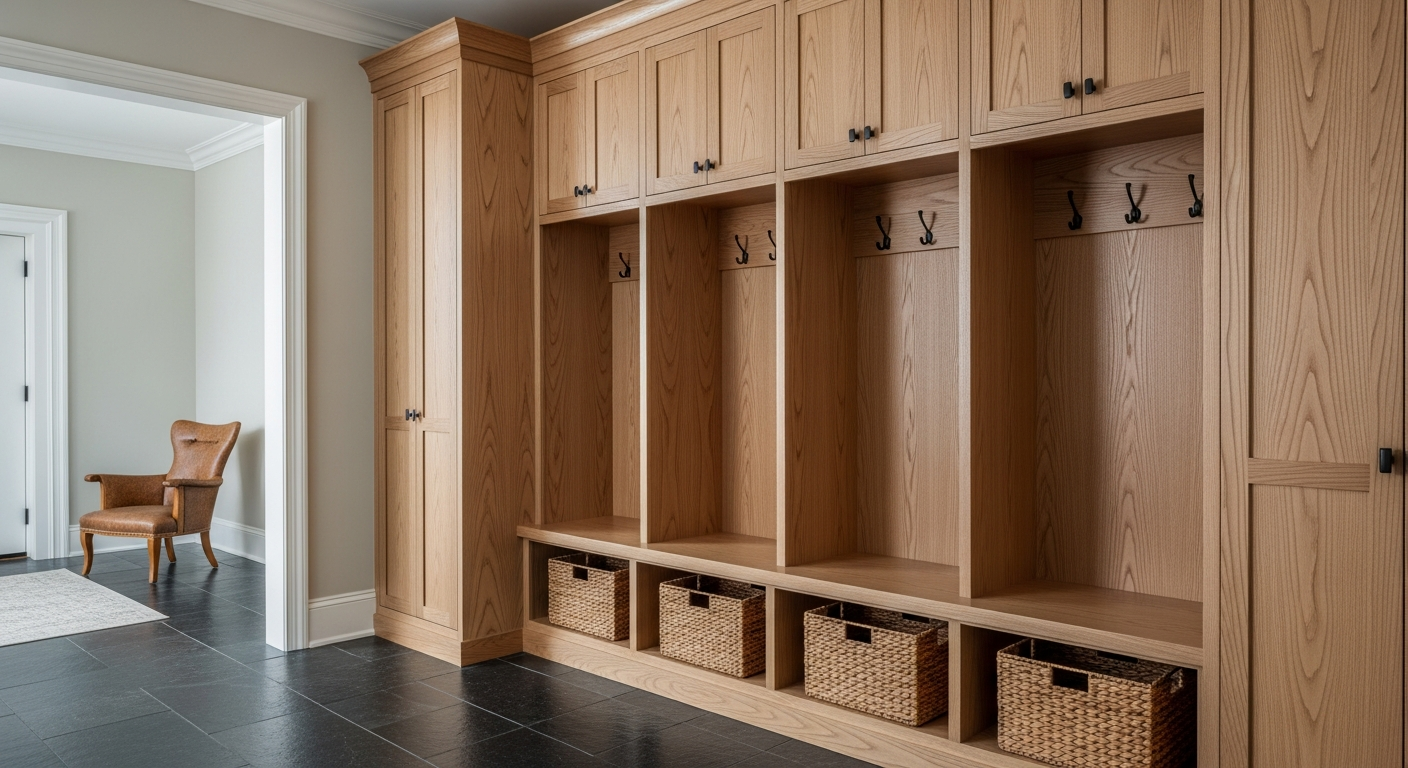
Climate Defense and Moisture Routing
Summit County weather variability introduces a specific operational hazard: moisture tracking. Melted snow, road salt, and trail mud represent structural threats to the home's interior systems. The mudroom must function as an environmental quarantine zone.
This requires highly durable, low-porosity flooring materials integrated with active drainage or rapid-evaporation solutions, such as localized radiant floor heating. By elevating the ambient temperature at the floor level, the system actively neutralizes standing water, ensuring that boots are dry for the next deployment. The transition from the exterior climate to the climate-controlled interior is managed entirely within this isolated footprint.
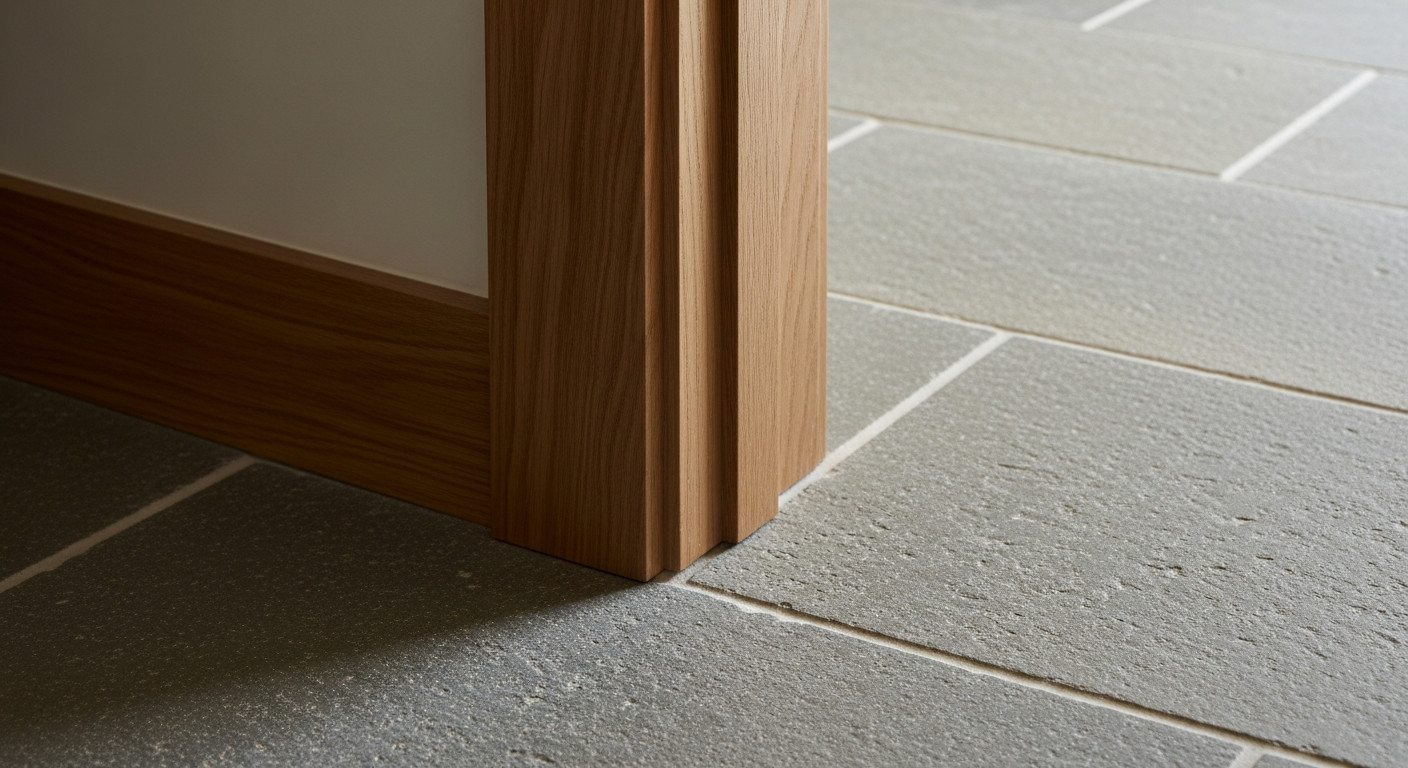
The Perimeter of the Domestic System
An optimized lifestyle relies on boundaries. The mudroom is the physical manifestation of that boundary—a highly calibrated machine dedicated to processing the chaos of the exterior environment.
When the architecture successfully captures the mud, intercepts the daily cargo, and facilitates the ergonomic shedding of the workday, the rest of the home is liberated. The operational flow of the household is secured, transforming the interior into a true system of rest and frictionless living.
 After
After Before
Visualize Your Space with Color Studio AI
Planning a project? Skip the paint chip guesswork. Use our Color Studio AI to instantly visualize these paint colors on your own walls, or take advantage of our aligned contractor pricing matching current Sherwin-Williams retail promotions.
Book Your Upcoming Paint Project
Craftsman Painter is now scheduling premium transformations. Secure your spot and elevate your property value.
Get an EstimateHelp Others Find Professional Color Insights
Share this story directly to your networks or copy the link to share with friends.