
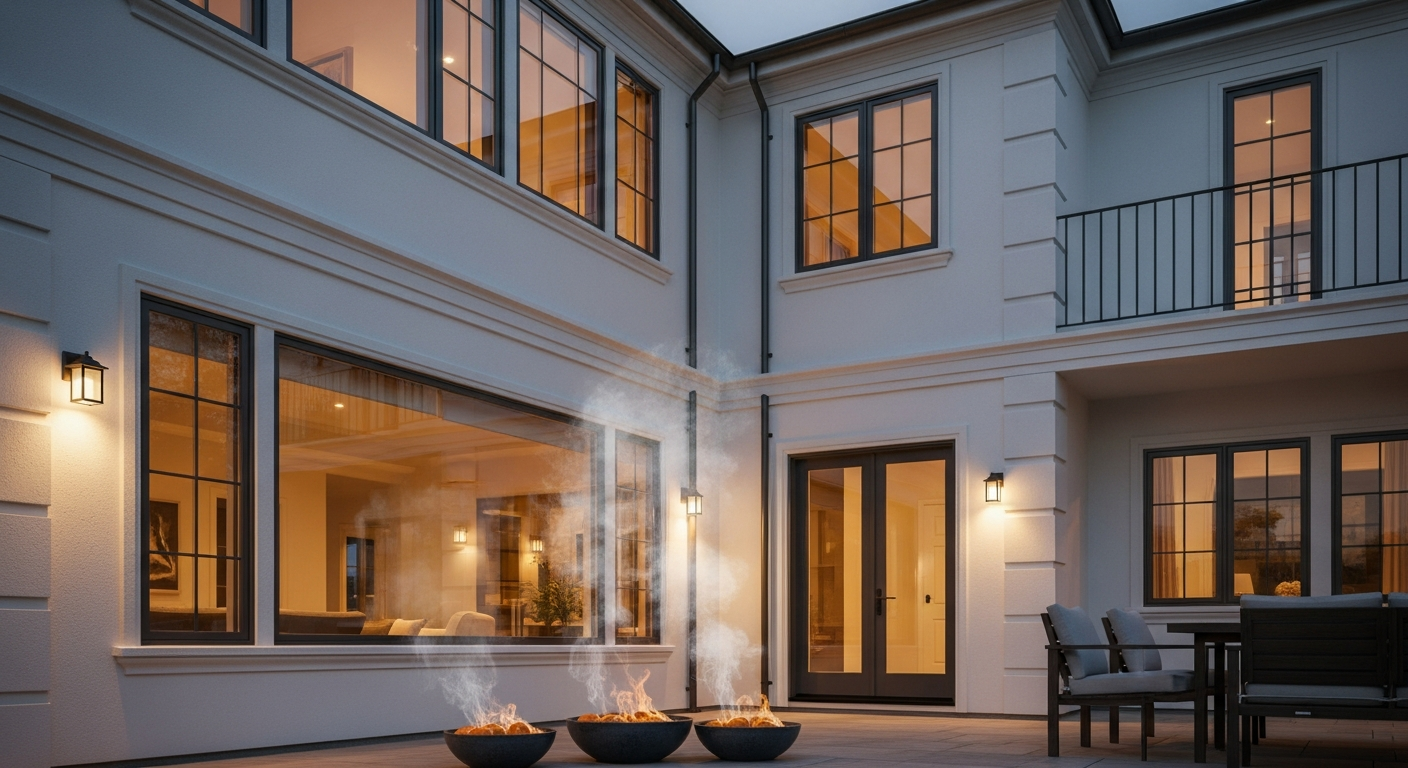
When heavy canvas totes overflowing with Chino Farms produce and line-caught local yellowtail are unceremoniously dropped onto a thick oak bench, the acoustics of the house change. The dull, heavy thud signals the beginning of a deliberate orchestration. The dinner party does not begin when the first guest takes a sip of wine; it begins right here, in the shadows of the entry, where raw ingredients wait to cross into the sanctuary of heat, steel, and fire.
The Culinary Airlock and the Arrival of Terroir
To master the art of hosting is to master the physical environment. Before a single knife meets a cutting board, the atmosphere must be set. The mudroom acts as the ultimate decompression chamber, a space where the lingering ambient smells of the coastal chaparral are captured and refined.
This space commands respect. It is where the rugged elements of the harvest—damp root vegetables, fragrant bundles of herbs still clinging to the canyon dust, the sharp metallic scent of fresh seafood on ice—are introduced to the pristine mechanics of the kitchen. As these elements pass through the doorway, the culinary narrative of the evening takes shape. The goal is to build an invisible, atmospheric corridor that guides arriving guests out of the mundane world and directly into a visceral, appetite-inducing theater.

Work Directly with Torlando Hakes
Skip the color choice stress. Work directly with me as your personal Color Designer to select the perfect architectural palette for your home, and get a Complementary Color Consultation when you purchase paint through us.
The Scent Architecture of the Coastal Dinner Party: Layering Charred Citrus and White Sage in Your San Diego Kitchen
Forget synthetic candles or overwrought room sprays. True atmospheric design relies on the physics of heat and the volatile oils of the earth. In San Diego, where the Mediterranean climate produces an abundance of aggressive, beautiful aromatics, scent architecture becomes an extension of the menu.
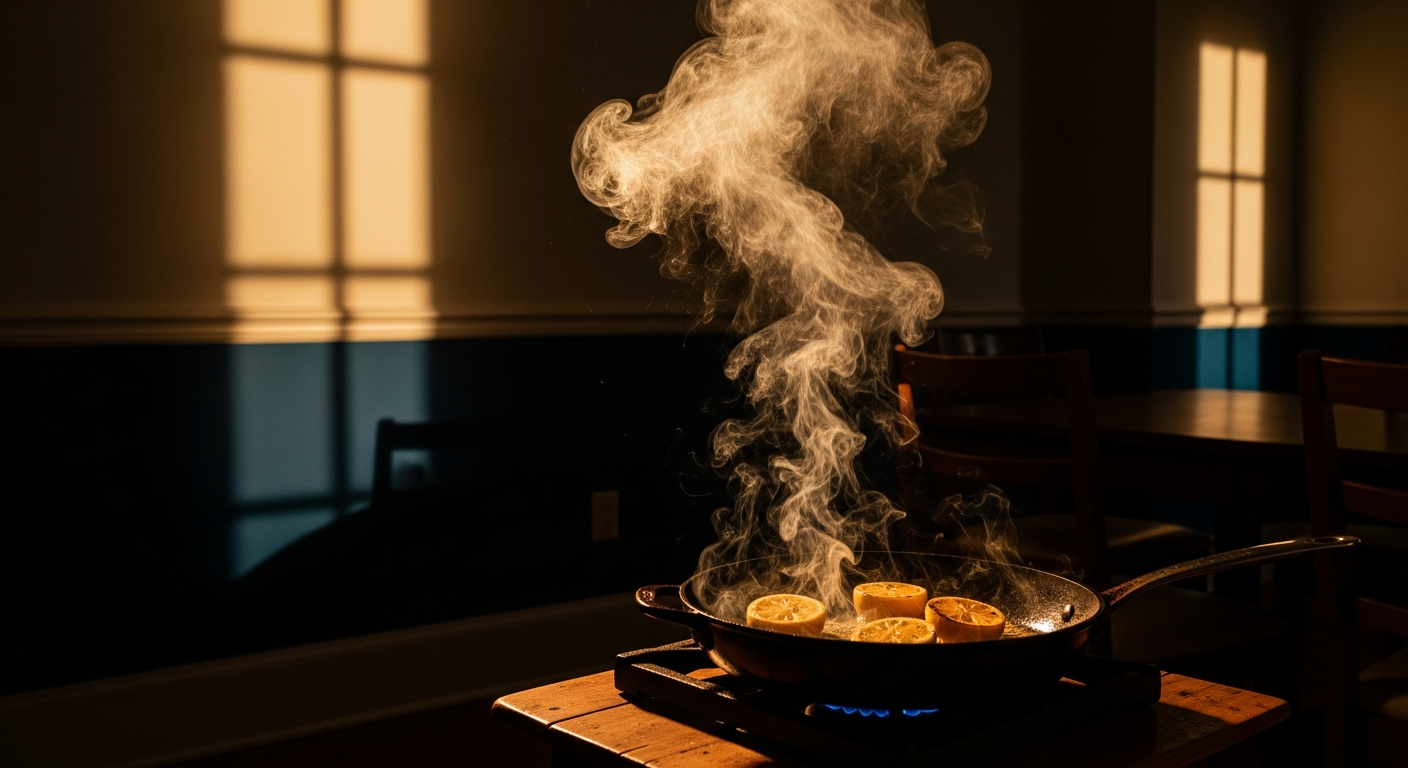
It starts with fire. Tossing a handful of halved Meyer lemons face-down onto a blistering, dry carbon steel skillet produces an immediate, violent reaction. The sugars instantly caramelize, pushing past sweet and plunging directly into a deep, smoky bitterness. As the edges of the fruit blacken, plumes of sharp, toasted citrus fill the air.
Simultaneously, a bundle of dried white sage—foraged from the nearby coastal canyons—is ignited and left to smolder on a raw stone tray near the mudroom threshold. The resinous, herbaceous smoke of the sage collides with the sharp, acidic fatness of the charred lemons. This deliberate layering creates an olfactory friction that is profoundly intoxicating. It is an ambient appetizer, hitting the back of the palate before a single bite of food is served.
The Acoustics of Anticipation
A great kitchen is a symphony of highly specific, percussive sounds, and the mudroom is the acoustic amplifier. When the sliding door closes, sealing out the hum of the coastal wind, the auditory canvas becomes blank.
Listen to the rhythm of the prep work echoing down the hall. The crisp, rhythmic thwack of a high-carbon chef’s knife slicing through dense stalks of lemongrass against a dense end-grain walnut board. The violent, sudden crackle of moisture hitting hot oil. The heavy clatter of cast iron being dragged across a burner grating. These are the sounds of transformation. They reverberate through the transitional spaces of the home, building a palpable tension.
Guests arriving through the utility entrance are immediately enveloped in this acoustic warmth. They step off the concrete and into a resonant chamber of hospitality, where the sound of searing protein and the clinking of heavy glassware promises an evening of unbridled indulgence.
Orchestrating the Friction of Heat and Cold
Cooking is, at its core, the mastery of physical extremes. It is the application of brutal, unyielding heat to delicate cellular structures to extract absolute perfection. This contrast must be felt the moment the threshold is crossed.
As the evening cools and the damp marine air pushes against the exterior walls, the interior of the home becomes a radiant beacon. The residual heat radiating from a stone oven roasting whole heads of heirloom garlic creates a microclimate of comfort. Passing from the cool, shadowy mudroom into the blinding, kinetic energy of a fully operational kitchen creates a physical thrill. It is a shock to the senses—the rush of warm, garlic-laced air, the visual assault of vibrant, raw ingredients scattered across butcher block islands, and the immediate offering of a frost-chilled, botanical cocktail.
This is the ultimate expression of the craft. It is not merely about feeding people; it is about wrapping them in an immersive, tactile experience from the very second they step through the door. It is the passionate, relentless pursuit of sensory perfection, starting at the mudroom and culminating on the plate.
 After
After Before
Visualize Your Space with Color Studio AI
Planning a project? Skip the paint chip guesswork. Use our Color Studio AI to instantly visualize these paint colors on your own walls, or take advantage of our aligned contractor pricing matching current Sherwin-Williams retail promotions.
Book Your Upcoming Paint Project
Craftsman Painter is now scheduling premium transformations. Secure your spot and elevate your property value.
Get an EstimateHelp Others Find Professional Color Insights
Share this story directly to your networks or copy the link to share with friends.