

I’ve been thinking deeply about the future of purchasing and in particular purchasing in my line of work. How does my customer today buy from me in the future?
I’m in the painting industry. An industry that is over 500 years old and still uses a paint brush as the primary tool. It’s the symbol of our craft. It’s like a well oiled and freshly shined Smith & Wesson. And it isn’t going anywhere…for now.
Elite pontificators, the Paul Reveres of the internet decry “the robots are coming, the robots are coming!” And as much as I’d like the think that the great minds of AI and robotics will set their scopes on this trade, I’m not sure that they will for a while.

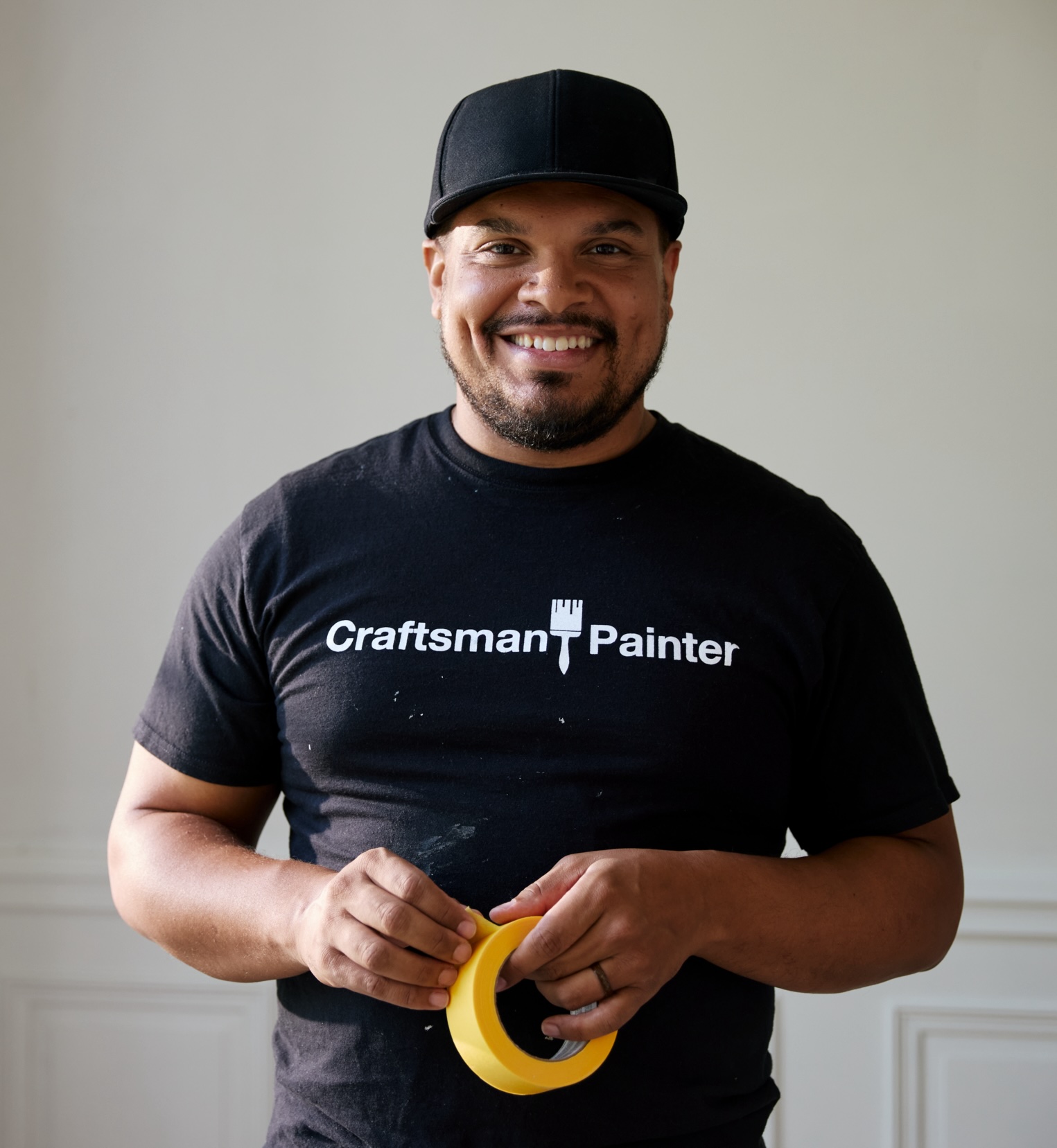
Work Directly with Torlando Hakes
Skip the color choice stress. Work directly with me as your personal Color Designer to select the perfect architectural palette for your home, and get a Complementary Color Consultation when you purchase paint through us.
The trades in general are a neglected profession. At some point our country became so enamored by higher education that the vocational schools became the dumping ground for remedial America. Being a craftsman lost its luster and we skipped a generation which was already lacking in numbers.
Since 2011, our country has been retiring 10,000 baby boomers every single day and we will continue to retire 10,000 a day until 2030.
By 2020, 31 million skilled positions will be left unfilled due to retiring Baby Boomers. And the verdict is up as to whether Millennials will step up to the plate. Blue collar employers aren’t attracting them at the rate they need to be and they aren’t really trying. Meanwhile, we have an incoming administration whose primary campaign promise is to keep out immigrants who are the youngest population willing to do the work.
I struggled so much to understand the shortsightedness of this plan during the election. I have no idea how it’s going to turn out other than these same millennials doing what they do best, finding an easier, less time consuming way to do more. Automation.
Before automation hits the trades however, it will continue to be generic and broad, seeking one size fits all solutions to nuanced problems. The sub-contracting trades will trail as developers work general to specific. I’m personally encouraged by cloud softwares who focus on flexible backend APIs with a service front end to develop custom UIX, verses a UI front end.
Some tech companies have set their sights on services and are failing largely because they aren’t focusing on single services. What does a roofer have in common with a dog groomer? I don’t know but apparently Amazon can add a new SKU and profit from both using the same sales funnel as selling books about roofing and dog grooming.
Individual trades don’t have companies with large enough market share to invest in the tools of tomorrow. In painting for example, 89% of companies employ fewer than 10 people and 76% employ fewer than five. This means the vast majority of painting companies are one sole-proprietor. Doers are not developers.
Where does the interest or ability to innovate come from in a market like that? The construction industry is a 1.7 Trillion dollar industry with many highly nuanced and complex niches and it’s losing over 20% of its work force in not much more than 5 years from now. So who will swoop in?
Most technologist eyes seem to be focused on the automation of transportation, manufacturing and fulfillment as their first line of defense against a shrinking workforce. But after that, in my opinion automation will set its eyes on education and programming. Ironic, as programming is where so many millennials are going. Then that leaves health and the trades. If immigration is contained (which I’m not a big fan of) maybe there will be a cozy job boom in the trades again. And when that day comes in nothing short of a flash, the companies who master sales and large scale operations will reign supreme. And I’ll tell you one thing, by that time you’ll know my name.
 After
After Before
Visualize Your Space with Color Studio AI
Planning a project? Skip the paint chip guesswork. Use our Color Studio AI to instantly visualize these paint colors on your own walls, or take advantage of our aligned contractor pricing matching current Sherwin-Williams retail promotions.
Book Your Upcoming Paint Project
Craftsman Painter is now scheduling premium transformations. Secure your spot and elevate your property value.
Get an EstimateHelp Others Find Professional Color Insights
Share this story directly to your networks or copy the link to share with friends.