

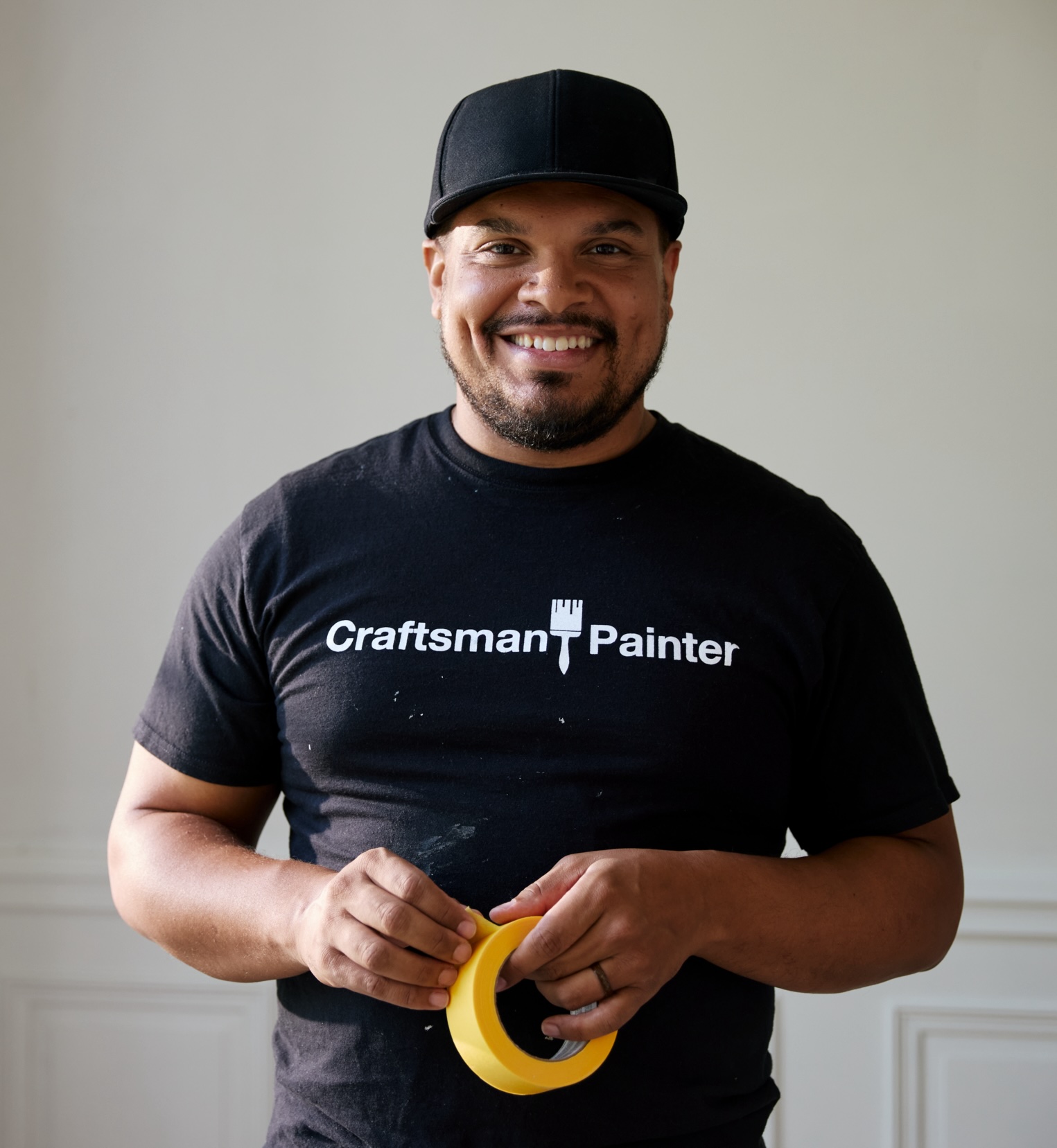
Giving a talk is a powerful way to gain favor with people who don’t know you. When you’re in the sales and marketing sphere and you just want people to give you two seconds to share what you do it’s hard to not feel like a fly that got in the house. You’re buggin’ people! But giving a powerful talk gives you the keys to the city. Here’s how to do it.
Pick at a Scab
Everyone has a flaw. Everyone has an insecurity. Everyone has a desire. Everyone has pain. When you begin writing a speech figure out what’s the one scab you want to pick at and ultimately heal.
Just pick one. Try not to cram in more than one controlling idea. What is the thing that is causing pain in your audience’s life and what is the remedy? Another way of thinking about it is, what is their itch and how can you scratch it?

Work Directly with Torlando Hakes
Skip the color choice stress. Work directly with me as your personal Color Designer to select the perfect architectural palette for your home, and get a Complementary Color Consultation when you purchase paint through us.
When you pick a scab or scratch an itch you have to understand that the only way they will start listening is if you first make the problem worse.
People have to understand the stakes of the situation. Telling a great story about a serious problem, disaster, or crisis can give you the metaphor you need to capture people’s attention and get them thinking about their own fatal flaw.
I’ve used stories of famous plane crashes or personal stories of failure. A good story will draw in the emotion factor and heighten people’s emotional connection to what you’re saying.
Once you’ve really exasperated the audience with this problem or you’ve kept their desire out of reach that’s when you make the shift from someone that’s taking them on this emotional roller coaster and even causing anxiety, you hit them with a strong dose of empathy.
Empathy Demands Vulnerability
People desperately want to feel heard. And our human experience while nuanced is still a shared experience. Albeit on different degrees of privilege. And yet, I would dare say that there isn’t a human on hearth that didn’t have a terribly painful and awkward two years of middle school. Maybe they didn’t call it middle school. But 12 and 13 year olds across the globe understand the painful existence of a pubescent child figuring out their place in the universe.
Empathy is about going to that place of shared pain and being willing to admit that you felt the same way. That you’ve felt all alone in your problems and that you’ve felt like there was no way out. You know how that feels.
But to be real about it, and to truly connect with people in that audience, you cannot lie to them. You cannot pretend that everything is great when it is not. You cannot pretend to know more that you know. You can only be honest on that stage. You can only commit to being vulnerable.
There is no empathy without vulnerability.
Being vulnerable on stage is more than a hope that people won’t judge you too harshly for having failed. It is the belief that people will honor you for telling the truth. It’s the belief that people will take courage from your example. And that’s exactly what happens. When you’re vulnerable, people will follow.
But where will you take them?
Every great talk has a three step plan.
Do you remember those GI JOE dubbed over PSA videos from about 15 years ago? There was this one where a couple of kids were playing in an abandoned building and one of the kid’s starts skipping across blocks of stone and he says, “It’s just three easy steps: whip it, skip it, see ya later, bye.”
Everyone loves three easy steps. And it’s not that the work of the steps are easy. It’s that it’s an easy process to remember. Do this. Then this. Then win.
Even this article is limited to three easy steps:
- Pick a scab
- Show empathy
- Provide a plan
It’s easy to remember but not always easy to execute. Knowing what problem to talk about isn’t cut and dry. You have to know. You can’t assume. If you assume you’ll get it wrong every time and the empathy won’t land because it won’t be real. You have to know.
Empathy comes from experience. That’s years of arriving to that one moment where you have to put it all out on the line. Being vulnerable isn’t easy. You have to be sure. Coming up with a plan that will work can’t be hyperbole. It can’t be a guess. Because when you’re on that stage you are the authority. People will do what you tell them to do. So you need to know your plan works. That takes time to make sure you got it right.
Finish with a win
That third step in the plan has to finish with a win. Your audience needs to know what the fruits of their labor will be and what they’ll avoid if they follow the plan.
The win should be aspirational. It should be a vision of what they could be. You need to paint a picture of what the future will be and compel them to seize the opportunity that is in front of them.
When you give a talk in this way you will never walk into a room of people who you don’t know needing to prove anything. Those that have seen your talk will be eager to talk to you and it will be like having the keys to the city.
Go out and give a talk. There are ample opportunities to get your feet wet with it virtually. Join zoom groups that have speakers and practice, practice, practice.
If you don’t know much about me yet on the professional side. I work with companies who are trying to automate their marketing funnels and drive more business. My design and tech team and I do this through helping companies design and build a booking site that puts appointments right on their calendar using WP and the Periodic platform. I’m very happy to make new business friends and have whiteboard sessions. Let’s collaborate! Hop on my calendar anytime.
Torlando Hakes | Author | Speaker | Podcaster
Director of Business Development at Periodic
 After
After Before
Visualize Your Space with Color Studio AI
Planning a project? Skip the paint chip guesswork. Use our Color Studio AI to instantly visualize these paint colors on your own walls, or take advantage of our aligned contractor pricing matching current Sherwin-Williams retail promotions.
Book Your Upcoming Paint Project
Craftsman Painter is now scheduling premium transformations. Secure your spot and elevate your property value.
Get an EstimateHelp Others Find Professional Color Insights
Share this story directly to your networks or copy the link to share with friends.