
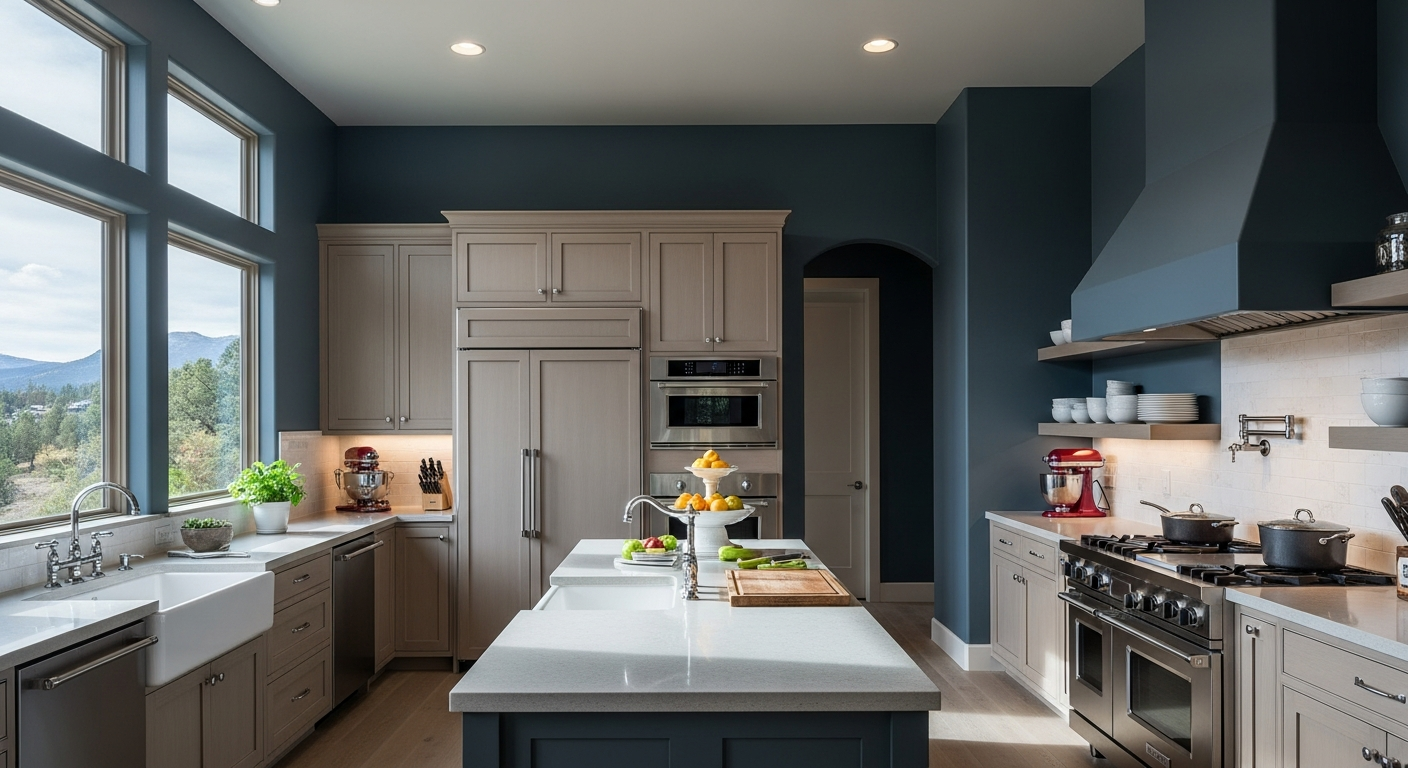

Grocery Flow and Receiving Throughput
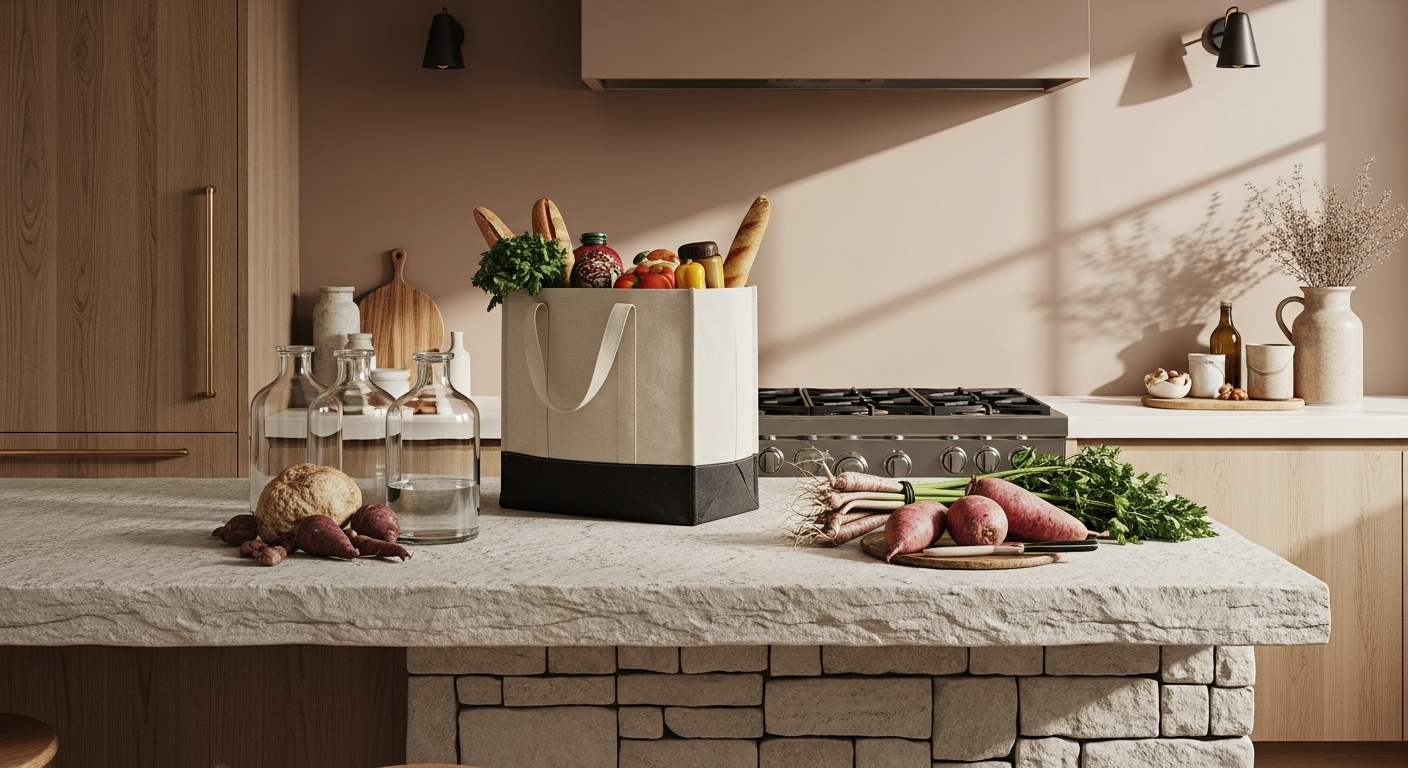
Effective domestic logistics begin the moment provisions cross the threshold. Flagstaff’s distinct seasons—ranging from freezing winter snowstorms to dry, sun-drenched summers—dictate that grocery flow must be swift and systematic to prevent temperature abuse of perishable goods. A designated intake zone at the perimeter of the kitchen operational center is essential.
This receiving station serves as a sorting node where goods are processed before entering the permanent storage supply chain. Bulk items are immediately unboxed to eliminate cardboard waste, and produce is inspected and prepped for longevity. Establishing a clear, unobstructed pathway from the entry point to the processing counter eliminates logistical bottlenecks. Countertop ergonomics dictate that this intake zone should sit adjacent to the primary refrigeration unit and the dry pantry, allowing for rapid deployment of goods into their respective climate-controlled environments.
Book Your Upcoming Paint Project
Craftsman Painter is now scheduling premium transformations. Secure your spot and elevate your property value.
Get an EstimateHigh-Altitude Food Preservation and Storage Science
Food storage in Northern Arizona presents a specific set of climatic challenges. The exceedingly low ambient humidity accelerates the staling process of baked goods and rapidly dehydrates exposed produce. Therefore, the pantry must be treated as a highly regulated micro-warehouse rather than a simple closet.
Airtight decanting is a non-negotiable operational standard for all dry goods. Transferring grains, flours, and legumes into sealed glass or high-grade polycarbonate containers shields them from the desiccating alpine air. For produce, the kitchen must integrate specialized humidity zones. High-water-content vegetables require localized humidity drawers, while root vegetables—such as potatoes, onions, and garlic—benefit from dark, well-ventilated lower cabinetry that mimics a traditional root cellar, leveraging Flagstaff’s naturally cool indoor temperatures. By managing the micro-climates within the storage array, the longevity of the household food supply is significantly extended.
Micro-Agriculture: Cultivating the Alpine Herb Station
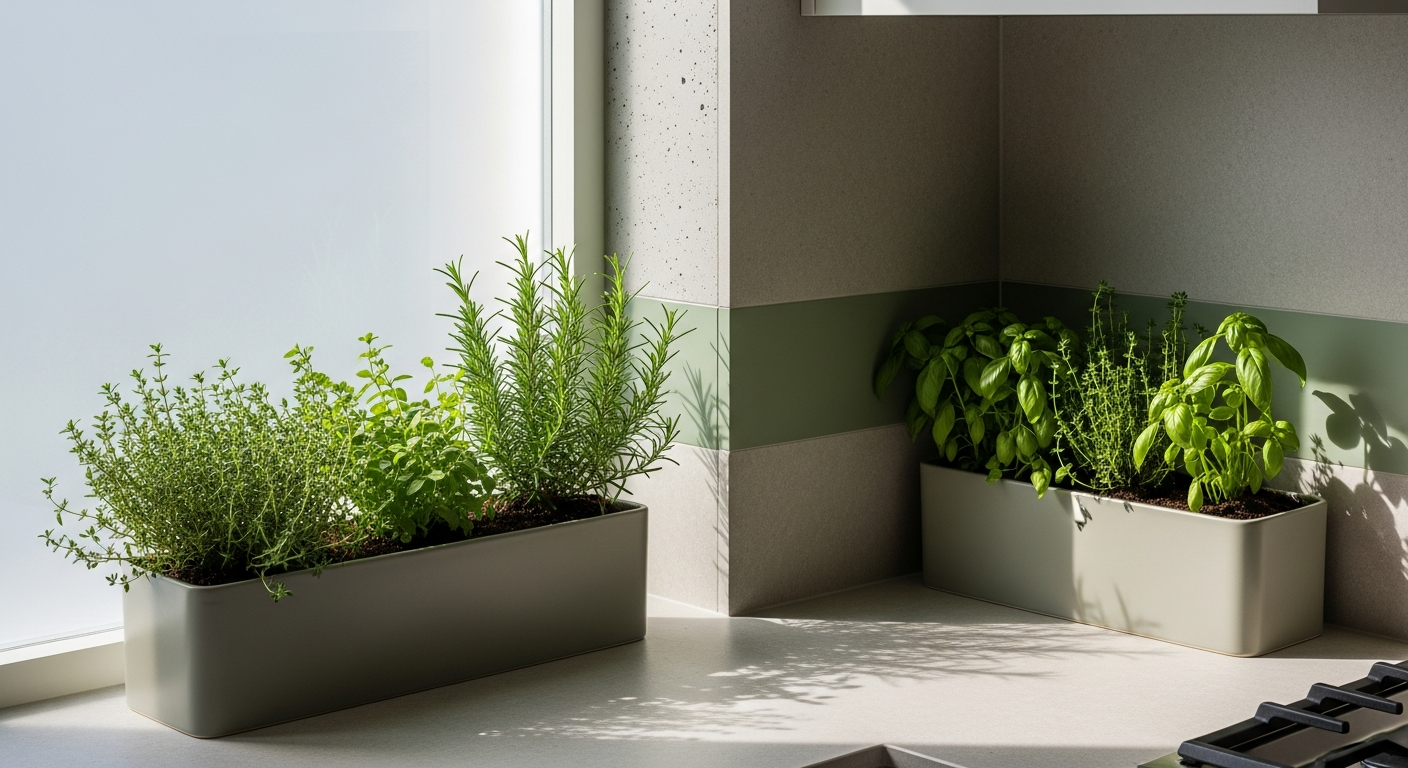
Flagstaff’s notoriously short growing season and unpredictable frost dates complicate outdoor agricultural efforts. To maintain a consistent, self-sufficient supply of fresh aromatics, the kitchen operational center must incorporate an integrated micro-agriculture system. Indoor or enclosed porch herb cultivation ensures that essential botanicals remain insulated from sudden temperature plummets.
A highly efficient herb station requires dedicated spatial planning. Situating a hydroponic array or a series of well-drained window boxes near the primary preparation hearth minimizes the physical distance between harvest and application. Cultivating resilient varieties like rosemary, thyme, and basil within this controlled indoor envelope guarantees a continuous yield. Utilizing vertical space near south-facing windows maximizes natural solar radiation while maintaining an uncluttered primary work surface.
Spatial Ergonomics for Entertaining Systems
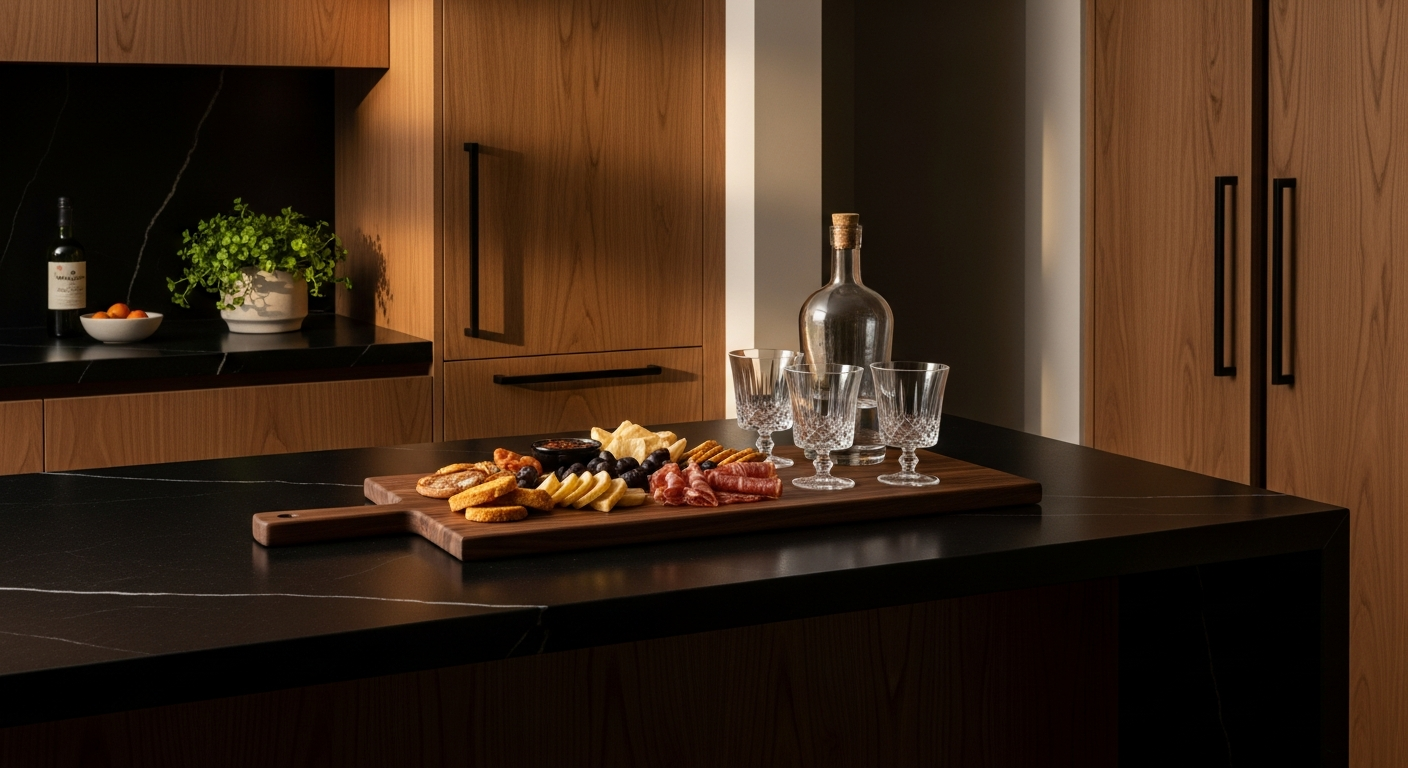
Entertaining is essentially high-volume food and beverage deployment. When the household hosts guests, the kitchen must seamlessly transition from a focused processing center into a self-service hospitality node. This shift requires rigorous spatial ergonomics and intelligent traffic routing to prevent congestion within the primary cooking trajectory.
Establishing a peripheral staging area for beverages and appetizers is critical. This secondary zone intercepts foot traffic before it reaches the main culinary hearth, allowing the cook to operate without spatial interference. Supply-chain efficiency dictates that all necessary hospitality equipment—glassware, serving boards, and cocktail implements—be stored directly below or above this staging counter. By compartmentalizing the entertainment systems away from the core preparation zone, the kitchen maintains its operational integrity even during peak-capacity events.
The Optimized Domestic Hub
Mastering the flow of goods within the home requires an analytical view of spatial mechanics and environmental realities. By optimizing receiving throughput, applying rigid preservation standards tailored to the high-altitude climate, and managing traffic flow, the kitchen ceases to be a mere room. It becomes a highly efficient, resilient operational center, ensuring that the Flagstaff household remains consistently nourished and impeccably organized.