
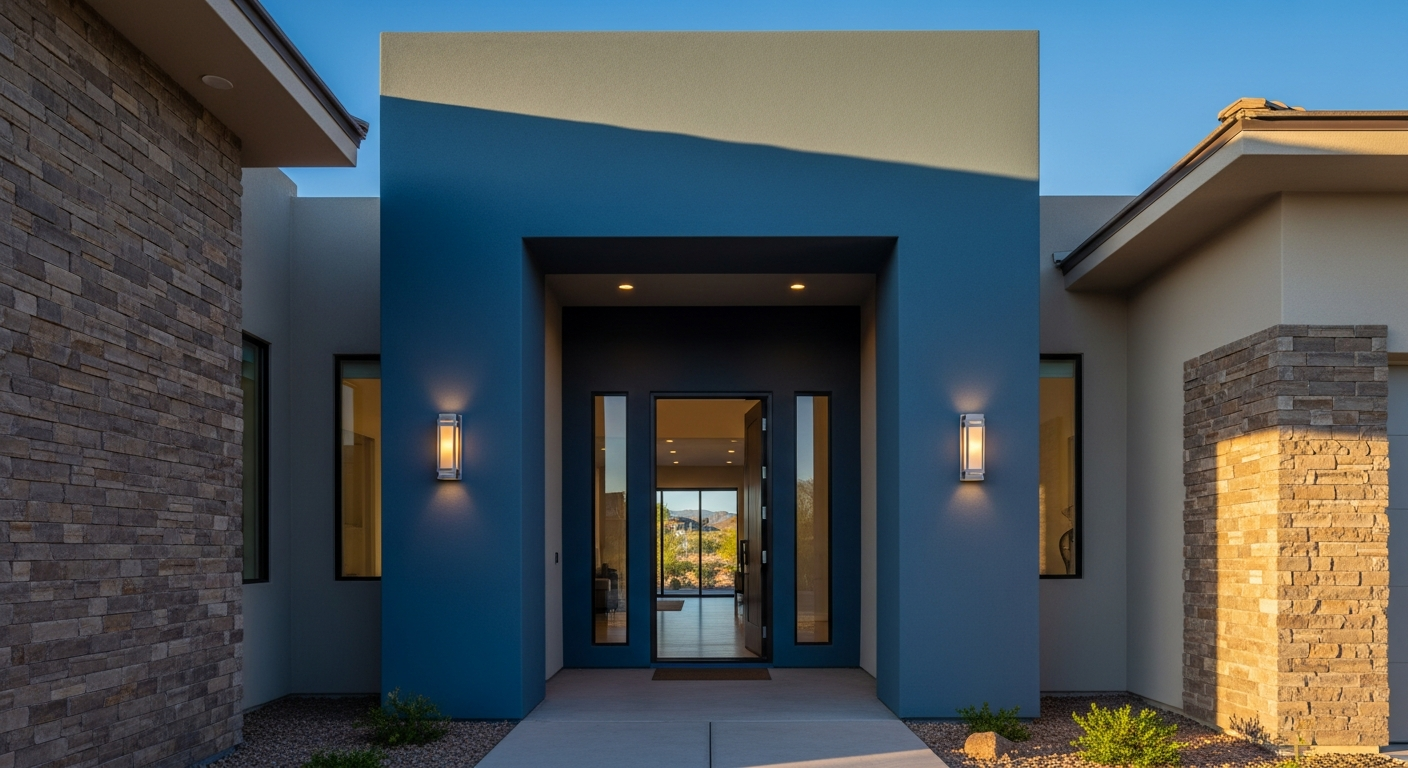

The Physics of the Desert Transition
The physiological impact of moving from extreme solar radiation into a cooled environment dictates the behavioral pacing of the entryway. In desert climate home operations, the threshold must act as a decompression chamber. Entering a home in Phoenix requires a sudden deceleration of movement.
The physical architecture of the entryway must support this pause, allowing the human body to adjust to the sudden drop in temperature and light. When the spatial energy of the threshold is properly calibrated, it absorbs the kinetic urgency of the outside world, slowing the resident down before they penetrate the deeper zones of the home.
Book Your Upcoming Paint Project
Craftsman Painter is now scheduling premium transformations. Secure your spot and elevate your property value.
Get an EstimateErgonomics of the Arrival Sequence
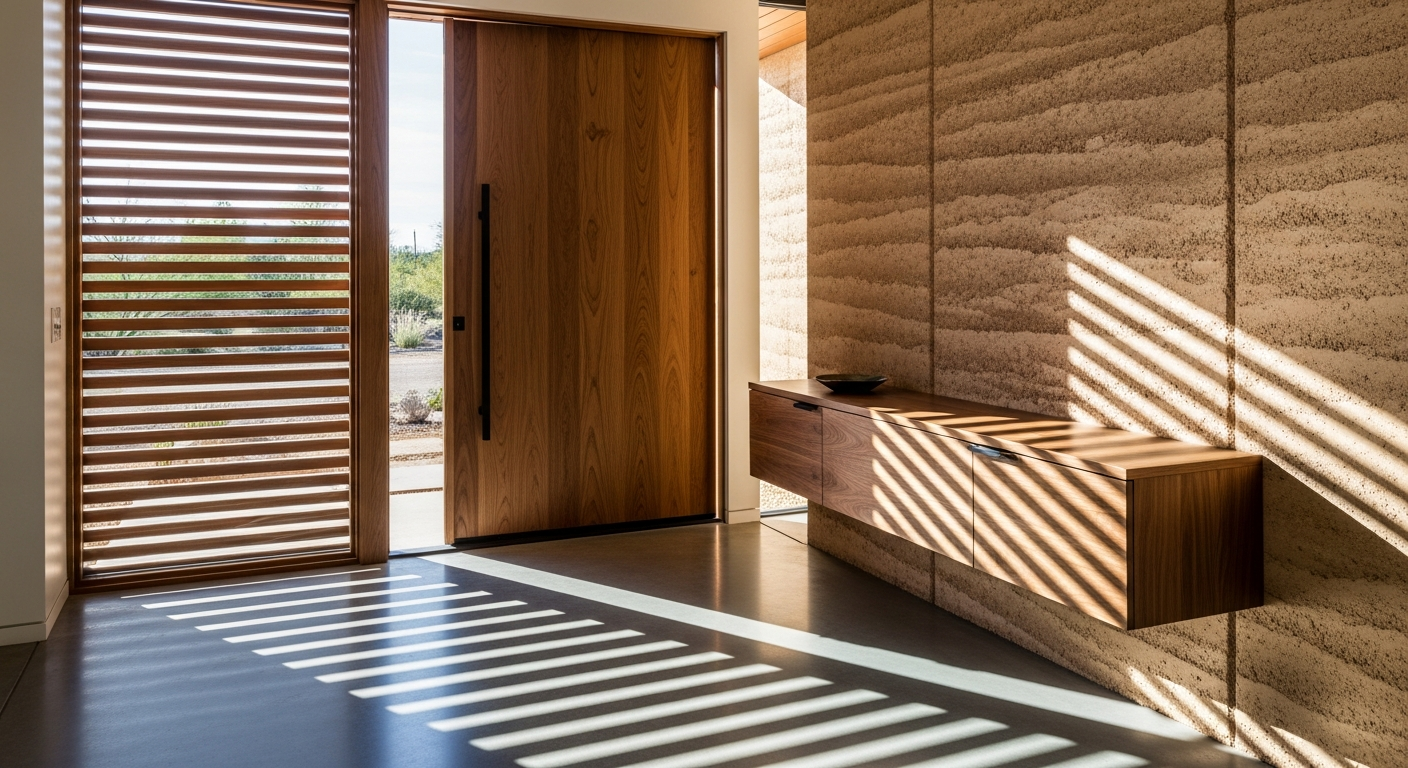
A functional entryway operates on the principle of minimal friction. The arrival sequence involves systematically shedding the artifacts of the outside world: sunglasses, key fobs, wide-brimmed UV protection, and work bags. Without a dedicated operational throughput, these items scatter, disrupting the flow and spatial energy of the entire domestic machine.
Optimizing Phoenix home design requires establishing highly calibrated drop zones immediately upon entry. A floating console or integrated millwork positioned exactly at the natural extension of the arm minimizes unnecessary reaching or bending. This ergonomic utility ensures that the physical act of offloading gear becomes an unconscious, fluid motion, maintaining the momentum of the transition without cluttering the primary traffic arteries.
Particulate Interception and Traffic Efficiency
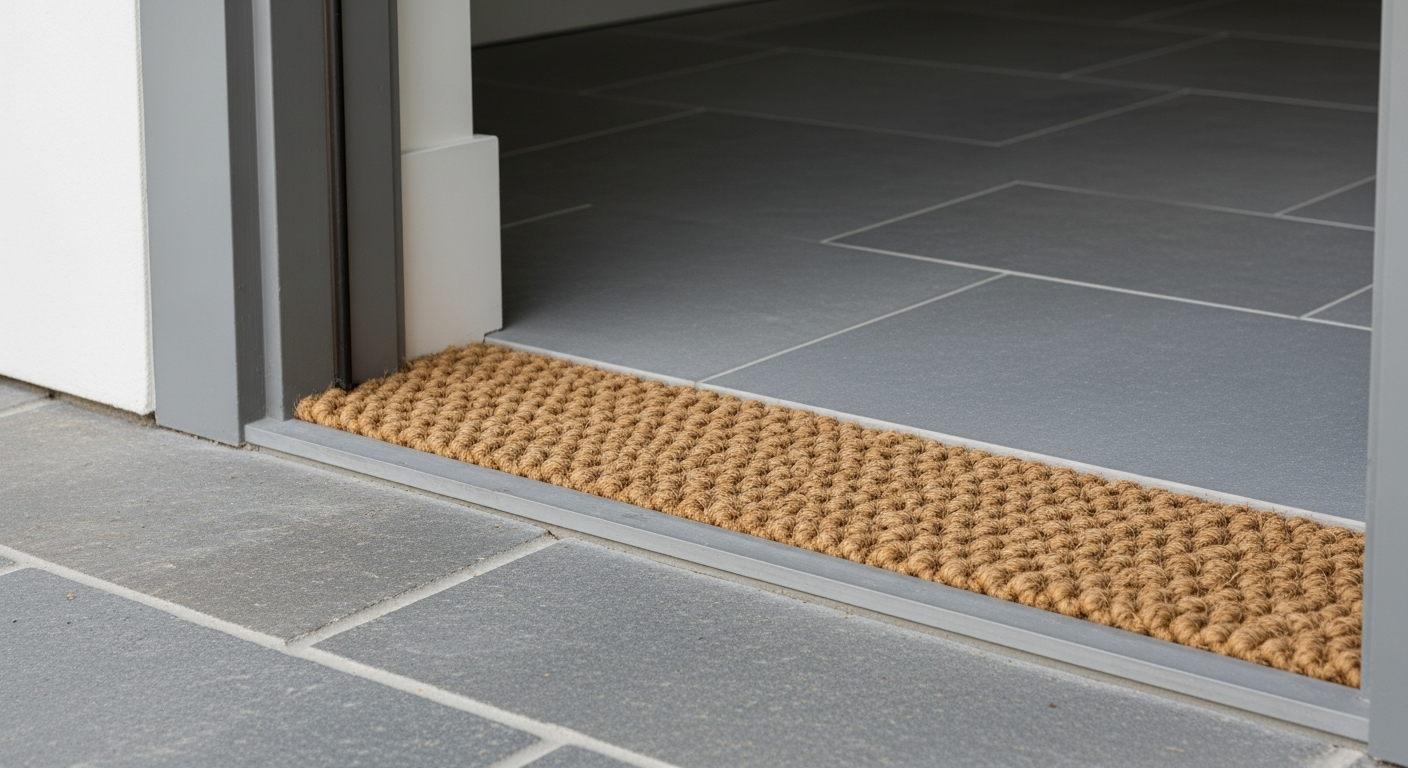
The Sonoran Desert environment introduces specific friction points, notably fine dust, pollen, and abrasive grit. The home operates as a sealed, clean system, and the entryway serves as its primary filtration filter. Structural operations here must intercept these elements before they migrate into the deeper operational zones of the house.
Traffic efficiency dictates the use of tactile, friction-heavy floor transitions. A sequenced floor plan—moving from exterior aggregate to recessed, heavy-duty interior matting, and finally to smooth, temperature-conductive domestic flooring—physically strips particulates from footwear. This zoning protects the mechanical integrity of the home while guiding the inbound traffic pattern along a predictable, easily maintained route.
Establishing the Work-to-Home Boundary
Beyond physical mechanics, the entryway governs spatial energy transitions. It is the definitive boundary between professional output and domestic rest. An optimized threshold physically intercepts the psychological weight of the workday, preventing it from infiltrating the sanctuary.
This boundary is best achieved through spatial constriction and release. By intentionally lowering the ceiling height or narrowing the corridor at the immediate entry point, the architecture forces a momentary pause. As the user moves past the threshold and the space expands into the main living sector, a distinct psychological release occurs. This structural manipulation of space effectively finalizes the transition, resetting the behavioral pattern for domestic life.
The operational efficiency of an Arizona lifestyle hinges entirely on the success of its entryway. By treating this threshold as an active, high-efficiency machine rather than a passive corridor, the domestic system achieves ultimate flow. The outside world is effectively neutralized at the door, leaving the interior to function as a seamless, uncompromised sanctuary.