

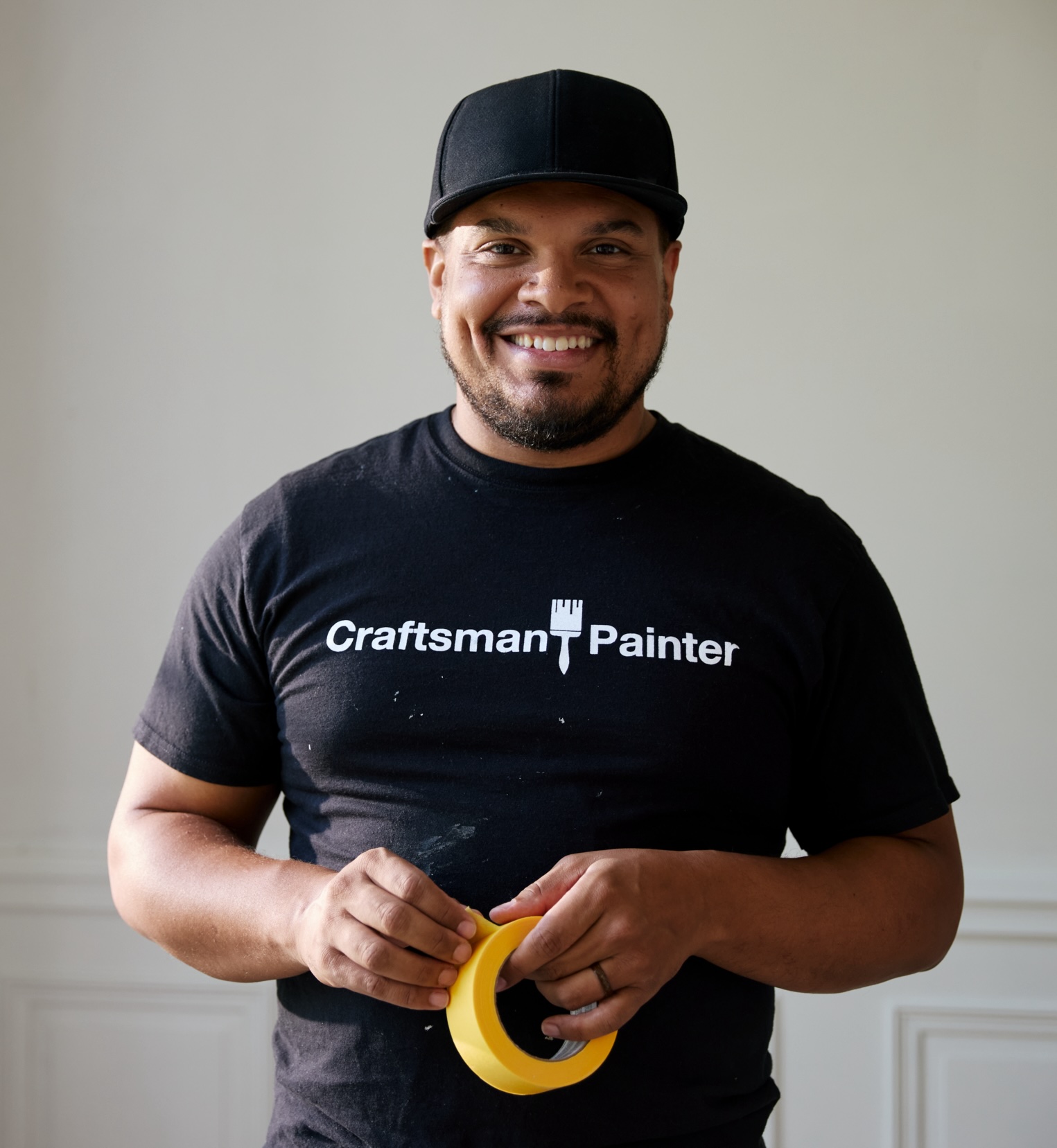
By Torlando Hakes
In the world of service-based trades — specifically residential painting — the business often lives and dies with the owner’s daily hustle. We treat our companies like high-paying jobs rather than transferable assets. But as we look toward a shifting economic landscape in 2026 and 2027, the difference between owning a job and owning a business will be defined by one thing: acquirability.
As AI begins to displace entry-level roles in white-collar sectors, we are seeing a “reverse migration” into the trades. Mid-career professionals with significant nest eggs are increasingly looking to purchase established service businesses as a faster path to revenue than starting from scratch.

Work Directly with Torlando Hakes
Skip the color choice stress. Work directly with me as your personal Color Designer to select the perfect architectural palette for your home, and get a Complementary Color Consultation when you purchase paint through us.
If someone walked into your office tomorrow to buy your company, what would they actually be paying for?
The Currency of Reputation: Why Reviews Are Your Most Valuable Asset
When we talk about acquisition, we often get bogged down in equipment or vehicle fleets. In reality, a painting company’s physical assets are depreciating liabilities. The real value is the “digital moat” you build around your brand.
- The 100-Review Threshold: An investor isn’t buying your brushes; they are buying your trust equity. A business with fewer than 100 high-quality Google reviews is essentially invisible to a sophisticated buyer.
- Pricing Power: Reviews are a hedge against price sensitivity. A strong brand allows you to maintain higher margins even when the market softens, making your EBITDA (Earnings Before Interest, Taxes, Depreciation, and Amortization) far more attractive.
Understanding the Multiplier: The Math of the Exit
Most small trade businesses fail to sell because the owner extracts all the profit to fund their lifestyle. If your business generates $100,000 in net profit, but you take $50,000 of that as a salary just to live, the “investable” profit is only $50,000.
In the painting industry, multipliers generally range from 1x to 4x.
Business Value = Net Profit — Owner’s Replacement Salary X Multiplier
If your business isn’t systematized — meaning you are the primary salesperson and project manager — your multiplier will stay near 1x because the business cannot function without you. To hit that 4x mark, the business must be a “turnkey” machine powered by:
- In-house marketing systems (rather than total reliance on external agencies).
- Diverse revenue streams (balancing residential repaints with predictable commercial or property management contracts).
- A documented recruiting funnel for skilled labor.
Survival in a “Soft” Market: The 2026 Forecast
Current market data from industry leaders like Sherwin-Williams suggests that the first half of 2026 will be “soft” for residential repaints. High interest rates have historically kept homeowners on the sidelines, leading to pent-up demand.
However, the outlook for Q3 and Q4 is more optimistic. As the Federal Reserve undergoes leadership changes and interest rates are projected to decline, we expect a release of that demand.
The Strategy for Now: Shift toward lower-cost, brand-based marketing. Don’t just pay for leads; build memory. You want clients searching for your name specifically — not just “painters near me” — when they are ready to pull the trigger in the fall.
The Personal Brand as a Business Asset
We often think personal branding is for “influencers,” but in a local service business, your face is a distinct brand asset. Data shows that individuals (like CEOs or founders) often dwarf their own companies in social media engagement. People follow people.
During my time at the software company Periodic, I became “the purple hat guy.” By wearing a branded hat in every video and meeting, I created a visual shorthand for the company that made our content instantly recognizable and singled to social media followers to slow their scroll. When it came time for our multi-million dollar exit, the acquiring company cited our constant presence and problem-solving content as a key reason we stayed top of mind in any conversation about companies to acquire.
Whether it’s a purple hat or a specific way you handle a consultation, those “human” elements are what people remember when the algorithm fails.
Closing the Gap
Building a sellable business requires a shift in mindset from operator to architect. It’s about building a system that produces quality work and consistent leads without your direct intervention.
 After
After Before
Visualize Your Space with Color Studio AI
Planning a project? Skip the paint chip guesswork. Use our Color Studio AI to instantly visualize these paint colors on your own walls, or take advantage of our aligned contractor pricing matching current Sherwin-Williams retail promotions.
Book Your Upcoming Paint Project
Craftsman Painter is now scheduling premium transformations. Secure your spot and elevate your property value.
Get an EstimateHelp Others Find Professional Color Insights
Share this story directly to your networks or copy the link to share with friends.