
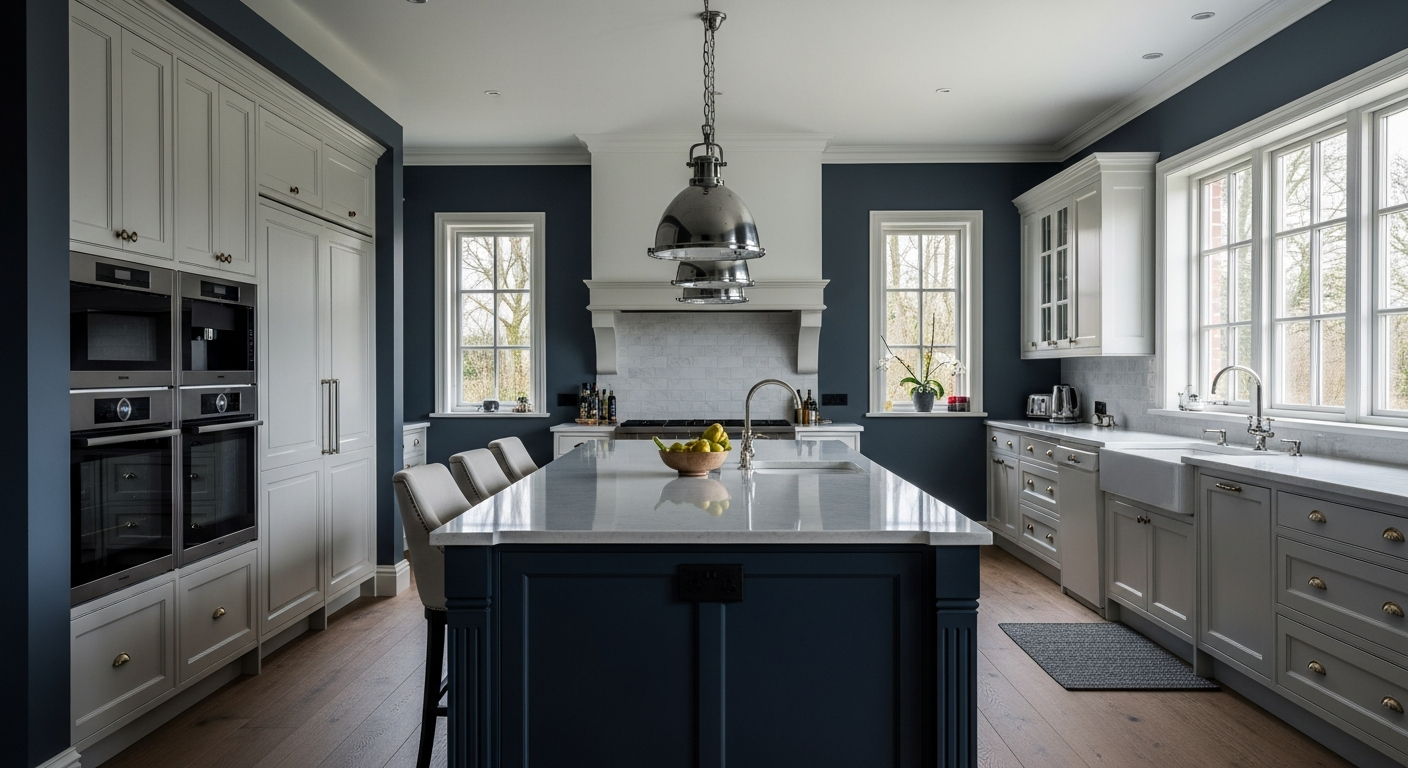

The relentless cycle of the morning marine layer introducing high ambient humidity, followed by intense afternoon ultraviolet radiation and pervasive salt air, acts as a slow, methodical catalyst for structural degradation. Master craftsmanship in this region is not determined by the final sheen, but by the invisible physics of surface preparation and substrate stabilization. Building a kitchen operational center that outlasts its occupants requires a profound understanding of applied chemistry and mechanical engineering.
Substrate Anatomy and the Coastal Marine Layer
Wood, the primary substrate for most cabinetry and operational storage structures, is deeply hygroscopic. In San Diego’s coastal zones, from the salt-heavy air of La Jolla to the dense coastal eddies of Point Loma, unsealed or improperly prepared wood acts as a sponge. Moisture vapor transmission forces the cellular structure of hardwoods and MDF to expand and contract perpetually.
When a coating fails—manifesting as peeling, flaking, or catastrophic delamination—it is rarely a failure of the paint itself. It is a failure of substrate analysis. Before a single drop of primer is applied, the moisture content of the wood must be measured using a specialized dual-depth moisture meter. If the substrate retains more than 12% moisture, trapped vapor will eventually push through the coating system, fracturing the film build from the inside out.
Book Your Upcoming Paint Project
Craftsman Painter is now scheduling premium transformations. Secure your spot and elevate your property value.
Get an Estimate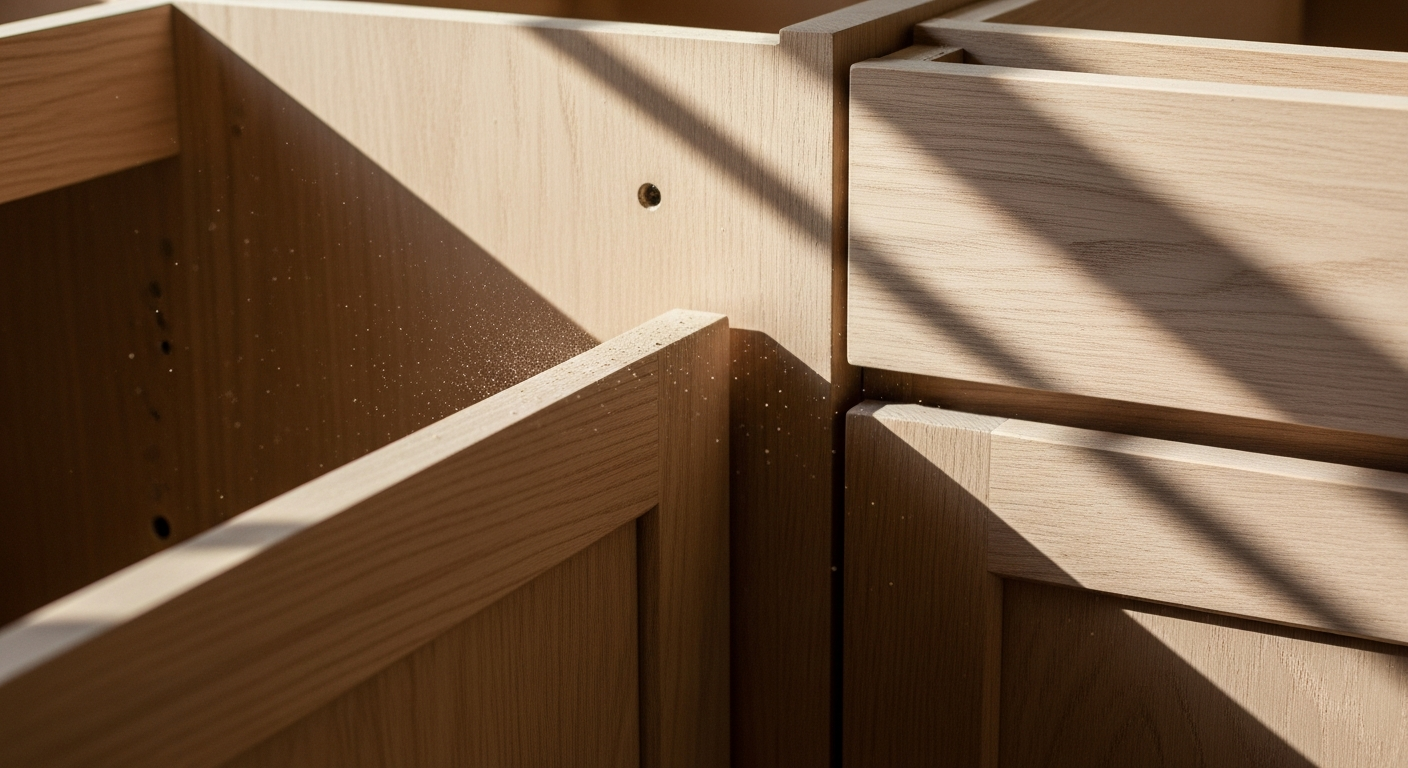
Proper mechanical profiling is non-negotiable. Substrates must be aggressively scarified using aluminum oxide abrasives to create a microscopic mountain-and-valley topography. This physical profile increases the surface area, allowing the subsequent chemical layers to anchor deeply into the cellulosic fibers. Skipping this step guarantees coating failure under the high-friction demands of a busy culinary hearth.
Chemical Adhesion in High-Friction Culinary Zones
The operational center is constantly bombarded by vaporized cooking oils, boiling water, and acidic organic compounds. Traditional architectural acrylics—the standard wall paints pushed by mass-market retailers—lack the chemical resistance to survive here. Lipid exposure causes these lesser coatings to undergo saponification, a chemical process that breaks down the binder and turns the paint into a sticky, degrading mess.
Master painters deploy catalyzed, high-performance industrial coatings in these zones. A foundational layer of high-solids, slow-drying oil or urethane-alkyd primer is required to seal the wood grain and block the migration of tannins. This primer does not merely sit on the surface; it chemically bonds with the substrate, penetrating the microscopic pores opened during the sanding phase.
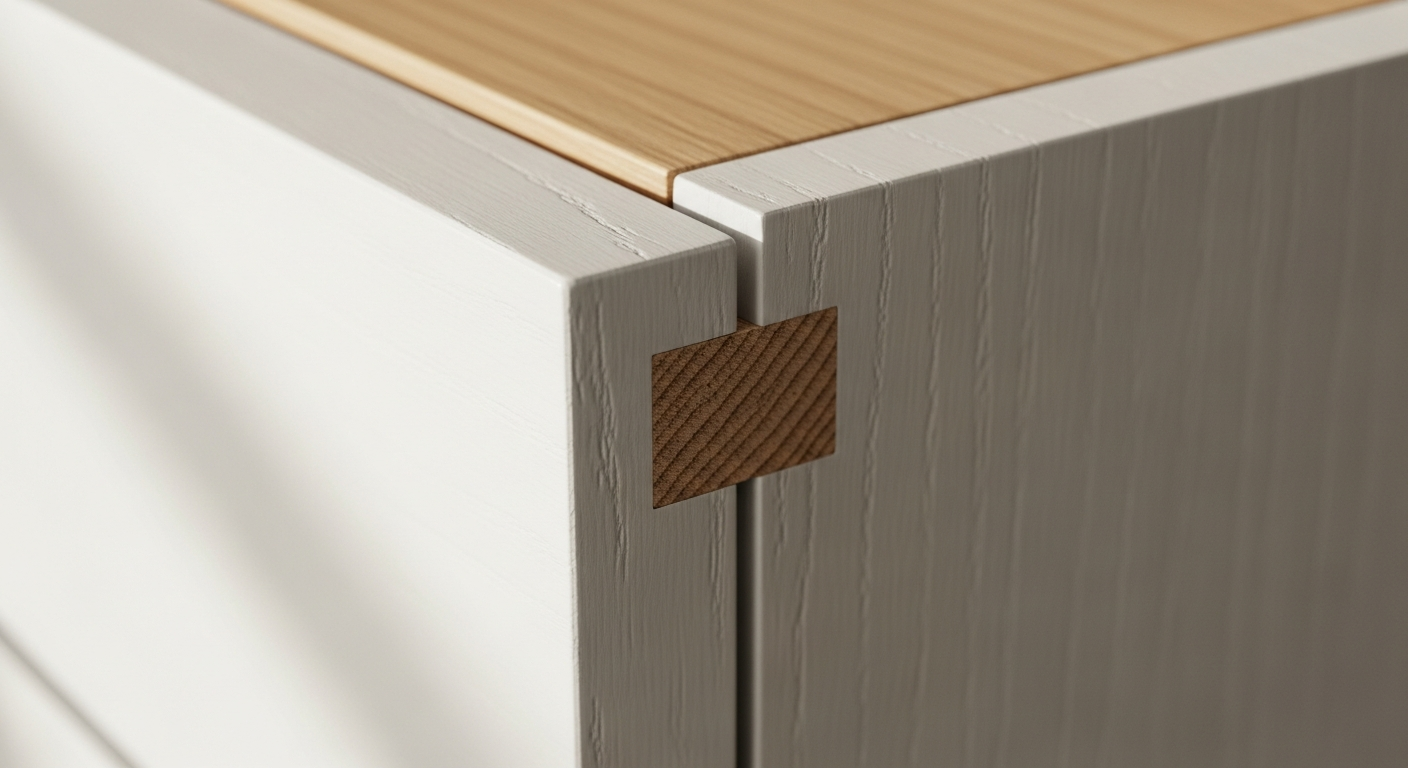
Once the substrate is locked, the topcoat must deliver extreme tensile strength and chemical resistance. Waterborne aliphatic polyurethanes or 2K (two-component) catalyzed polymers are the standard for modern, durable operational centers. These coatings cross-link upon curing, forming a dense, impenetrable plasticized shield that resists both the mechanical impact of heavy cookware and the chemical assault of aerosolized kitchen grease.
Ergonomic Geometry and Structural Fortification
Beyond the flat surfaces, the most vulnerable points in any kitchen operational center are the joints—specifically the intersecting stiles and rails of cabinet doors and structural framing. As the San Diego climate shifts humidity levels throughout the day, these joints experience micro-movements.
If these seams are rigidly filled with brittle spackle or low-grade caulking, the sheer force of the wood's kinetic shifting will fracture the coating, leaving a jagged fissure that invites moisture intrusion. Craftsmanship dictates the use of premium, highly elastomeric urethane or advanced polymer sealants. These compounds possess extreme elongation properties, meaning they can stretch and compress with the substrate’s thermal dynamics without breaking the hermetic seal.
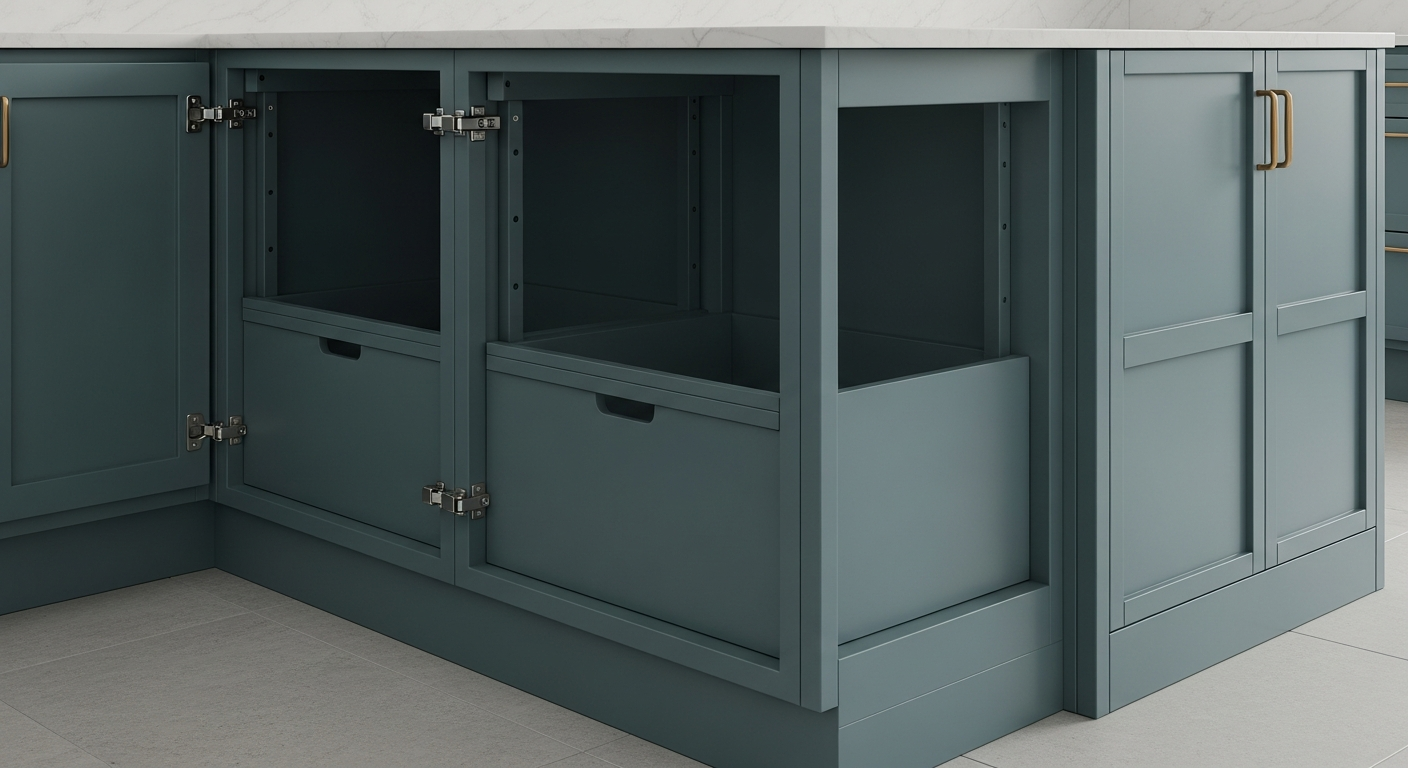
Ultimately, the integrity of a kitchen operational center is forged long before the final coat cures. It is born in the meticulous extraction of surface contaminants, the calculated application of cross-linking chemistry, and the structural anticipation of regional climatic stresses. Master craftsmanship is, fundamentally, the applied science of permanence. It is an uncompromising respect for the physical laws that govern building materials, ensuring the hearth remains an unbroken, functional instrument for generations.