


In Indianapolis, where the climate swings from the thick, cicada-loud humidity of a Midwestern summer to the brittle, wood-smoke chill of a January freeze, the dining room is a space of constant, seasonal metamorphosis. It is the altar where raw ingredients, forged through fire and friction, are finally presented. To host a dinner party here is not merely to feed guests; it is an act of high culinary orchestration. It requires an absolute mastery of sensory balance, a deep respect for local terroir, and an understanding that the dining table is a living, breathing canvas.
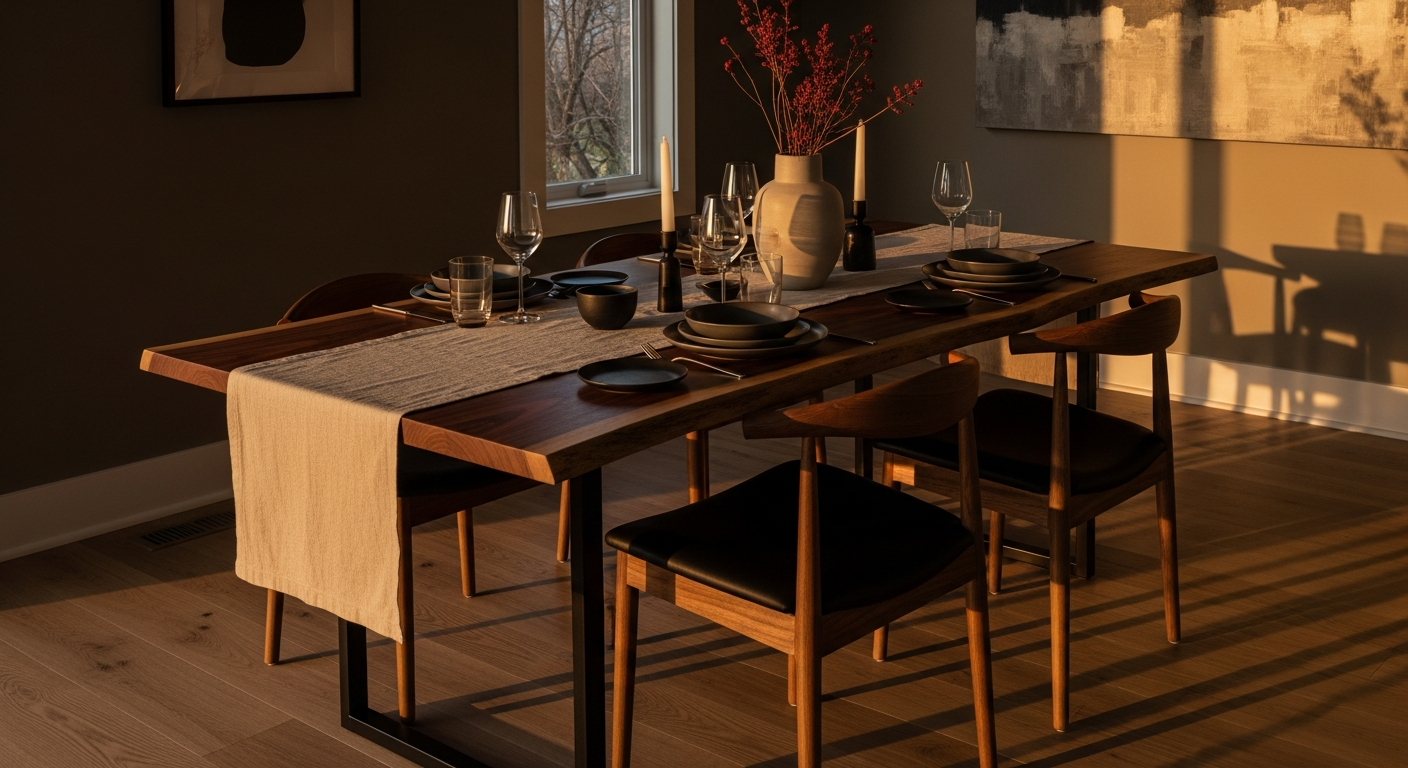
Orchestrating the Acoustics of a Midwestern Feast
Flavor begins in the ears long before it registers on the palate. A masterful dinner party relies on the acoustics of the dining space just as heavily as the seasoning of the food. The auditory landscape of a meal sets the baseline for the palate.
Book Your Upcoming Paint Project
Craftsman Painter is now scheduling premium transformations. Secure your spot and elevate your property value.
Get an EstimateListen to the room. The resonant clink of heavy, forged silverware against handmade stoneware plates. The sharp, high-pitched glug of a robust, decanted Barolo hitting the bell of a crystal glass. The deep, heavy thud of a cast-iron Dutch oven making contact with a wooden trivet. When a sizzling platter of rendered duck breast or butter-basted ribeye is carried from the kitchen into the dining room, the residual hiss of hot fat is an auditory appetizer. It triggers a primal, visceral thrill. The dining room must be designed to carry these sounds, allowing the hum of lively conversation to weave seamlessly through the percussive symphony of a meal in motion.
The Alchemy of Evening Light and Deep Hoosier Flavors
As the Indiana sun dips below the horizon, the shifting light fundamentally alters how food is perceived. The visual weight of a dish must harmonize with the shadows stretching across the table.
In the breathless heat of an Indianapolis July, the dining room thrives on vibrant, high-acid contrast. Heirloom tomatoes bleeding onto stark white porcelain, sweet local corn kissed by a hard charcoal sear, and the sharp, herbal perfume of bruised basil catching the dying summer light. But as the Indiana autumn sets in and the frost hardens the ground, the culinary narrative shifts toward depth, extraction, and slow-cooked alchemy.
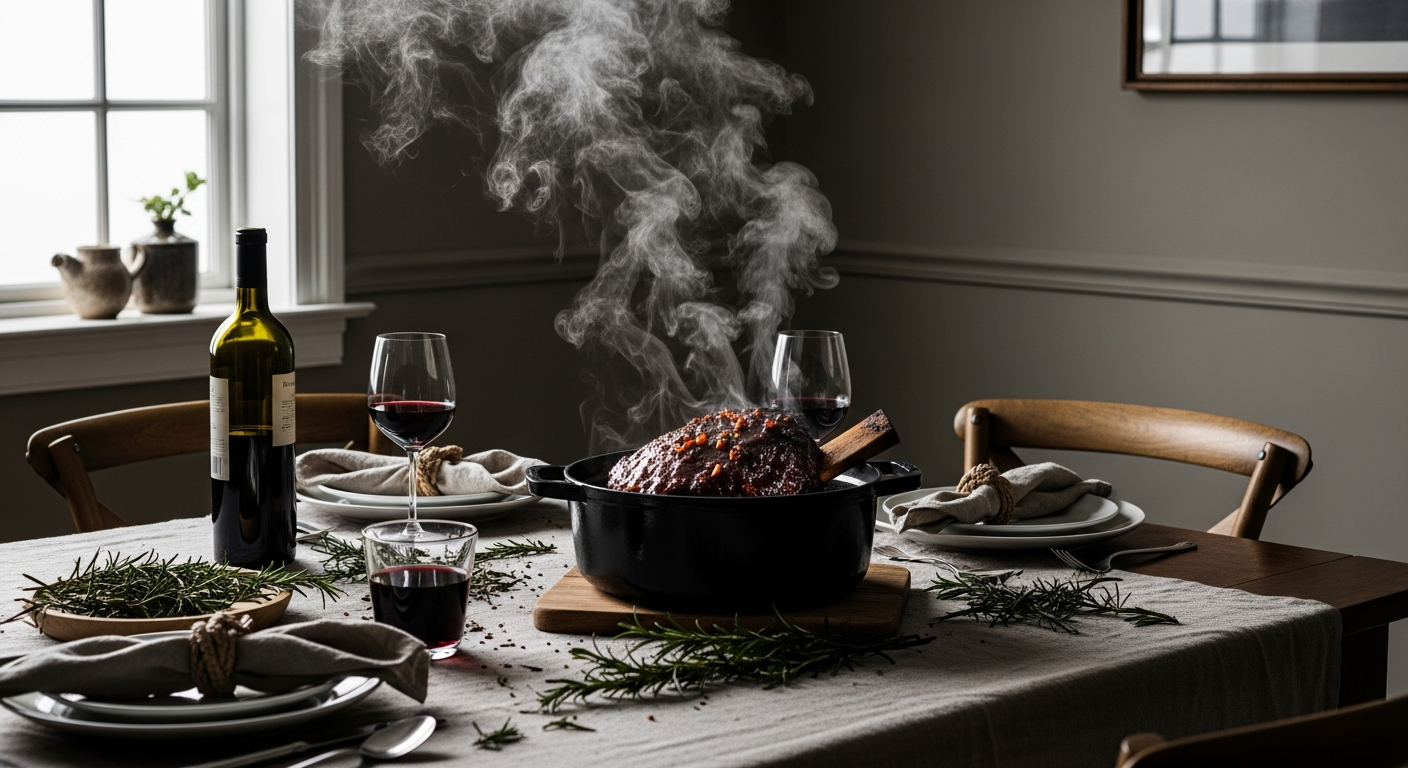
Winter dining demands weight. It requires the deep, mahogany lacquer of a short rib braised for hours in red wine and veal stock until the collagen yields into silk. The dining room must match this intensity. Dim the overheads. Let the flickering, kinetic light of tapered beeswax candles dance across the dark, reflective pools of demi-glace. The soft, ambient glow naturally draws guests leaning in over the table, creating an intimate, enclosed world where the only thing that matters is the next bite.
Plating as a Dialogue Between Kitchen and Table
The transition of food from the intense, violent heat of the kitchen to the calm sanctuary of the dining area is a delicate dance of temperature and timing. A truly dedicated home chef understands that a warm plate is not a luxury; it is a fundamental mechanical requirement. Serving a perfectly rested, medium-rare cut of local venison on cold porcelain is a culinary tragedy, instantly robbing the meat of its warmth and congealing its rendered fats.
Every element passed across the table must engage the tactile senses. The heavy, comforting heat radiating through the bottom of a bowl of silken, truffle-infused risotto. The fragile, shattered crunch of a perfectly torched sugar crust on a crème brûlée echoing in the quiet room. Even the smell of the room itself must be curated—never overpowered by artificial scents, but rather perfumed organically by the meal. The aroma of blooming thyme, toasted garlic, and brown butter should hang in the air, a complex bouquet that lingers long after the plates are cleared.
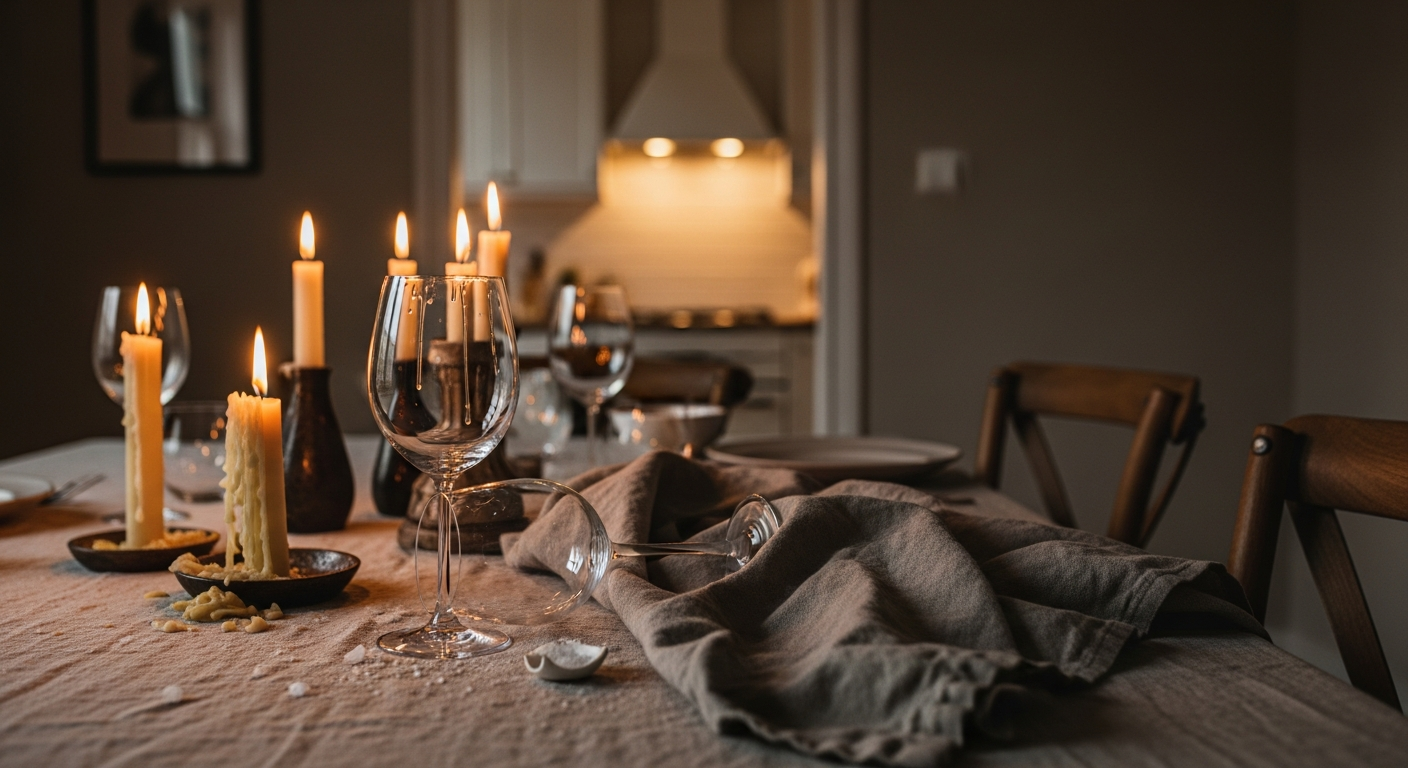
To host in this manner is to practice an ancient, elemental magic. It is the profound joy of gathering around the hearth, elevated by precision, technique, and an uncompromising dedication to flavor. When the last glass is drained and the table sits in glorious, rumpled disarray, the Indianapolis dining room stands not just as a space in a home, but as a monument to the relentless, beautiful pursuit of a meal well crafted.