

In Atlanta, Georgia, the dining room is subjected to an invisible but relentless mechanical stress: the extreme vapor pressure created by the region’s humid subtropical climate. The continuous battle between oppressive exterior moisture and aggressive interior air conditioning creates thermal cycling and moisture drive that will rapidly degrade inferior craftsmanship. Constructing and restoring a dining room that withstands both the environmental physics of Atlanta and the mechanical impact of daily use requires a masterful command of substrate analysis, paint chemistry, and structural repair.
Substrate Mechanics and Dimensional Stability
The architectural bones of a traditional Atlanta dining room often feature extensive millwork—wainscoting, picture rails, crown molding, and deep baseboards. Wood is a hygroscopic material. It breathes, expanding and contracting as ambient humidity fluctuates. When interior HVAC systems cycle on during a sweltering Georgia July, the sudden drop in relative humidity forces moisture out of the wood. When the system cycles off, the wood absorbs ambient moisture and swells.
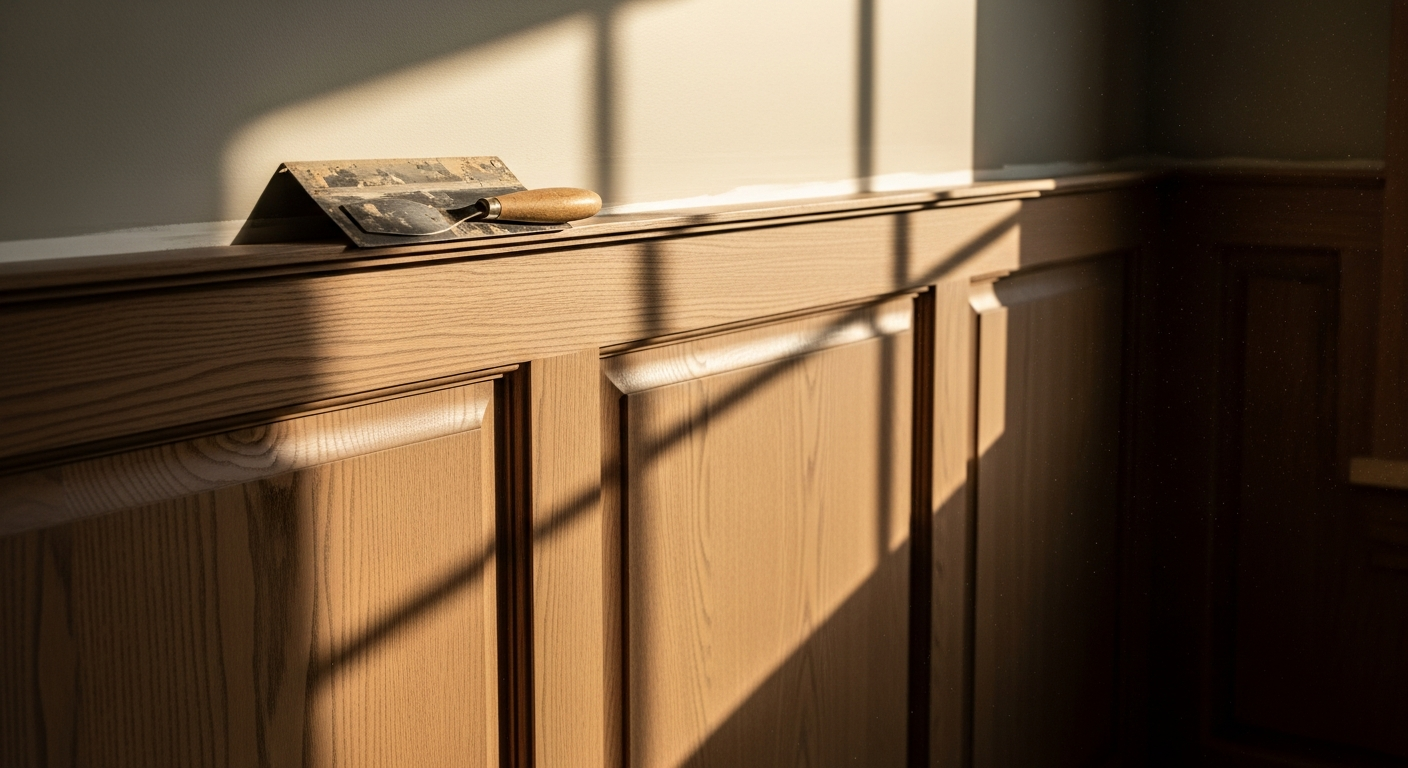
If the joints of this millwork are bridged with rigid, low-quality caulking or standard spackle, the dimensional movement will shear the joints apart, resulting in jagged, telegraphing cracks. Proper structural repair mandates the use of highly modified, elastomeric acrylic urethanes. These compounds possess the necessary tensile strength and elongation memory to bridge seams seamlessly, stretching during the humid summer and contracting during the dry winter without compromising the monolithic appearance of the substrate.

Work Directly with Torlando Hakes
Skip the color choice stress. Work directly with me as your personal Color Designer to select the perfect architectural palette for your home, and get a Complementary Color Consultation when you purchase paint through us.
The Physics of Adhesion: Remediation of Legacy Coatings
Many historic homes in Atlanta neighborhoods like Inman Park or Buckhead possess dining rooms coated in decades of legacy alkyd (oil-based) paints. Applying modern acrylic (water-based) formulations directly over these oxidized, glass-like alkyd substrates is a catastrophic failure of craftsmanship. The differing expansion coefficients and the lack of mechanical bite will inevitably lead to delamination, where the new coating peels away in highly visible sheets.
Achieving absolute adhesion requires establishing a profound mechanical profile. The substrate must be rigorously deglossed and abraded. This is not a cursory sanding; it is the deliberate scratching of the surface on a microscopic level to increase the total surface area for the new coating to grip. Once profiled, a high-adhesion bonding primer—often an advanced synthetic shellac or a catalyzed urethane—must be applied. This primer acts as a chemical bridge, biting into the legacy alkyd while providing a permeable, receptive face for the topcoat.
Polyurethane Modification and Coating Chemistry
A dining room is a high-traffic environment. The walls and trim are subjected to the blunt force of sliding chairs, the friction of heavy dining tables, and the oils from human hands. Standard vinyl-acrylic architectural paints lack the cross-linking density required to survive this mechanical abuse. They remain thermoplastic, meaning they soften under heat and pressure, leading to blocking, marring, and rapid degradation.
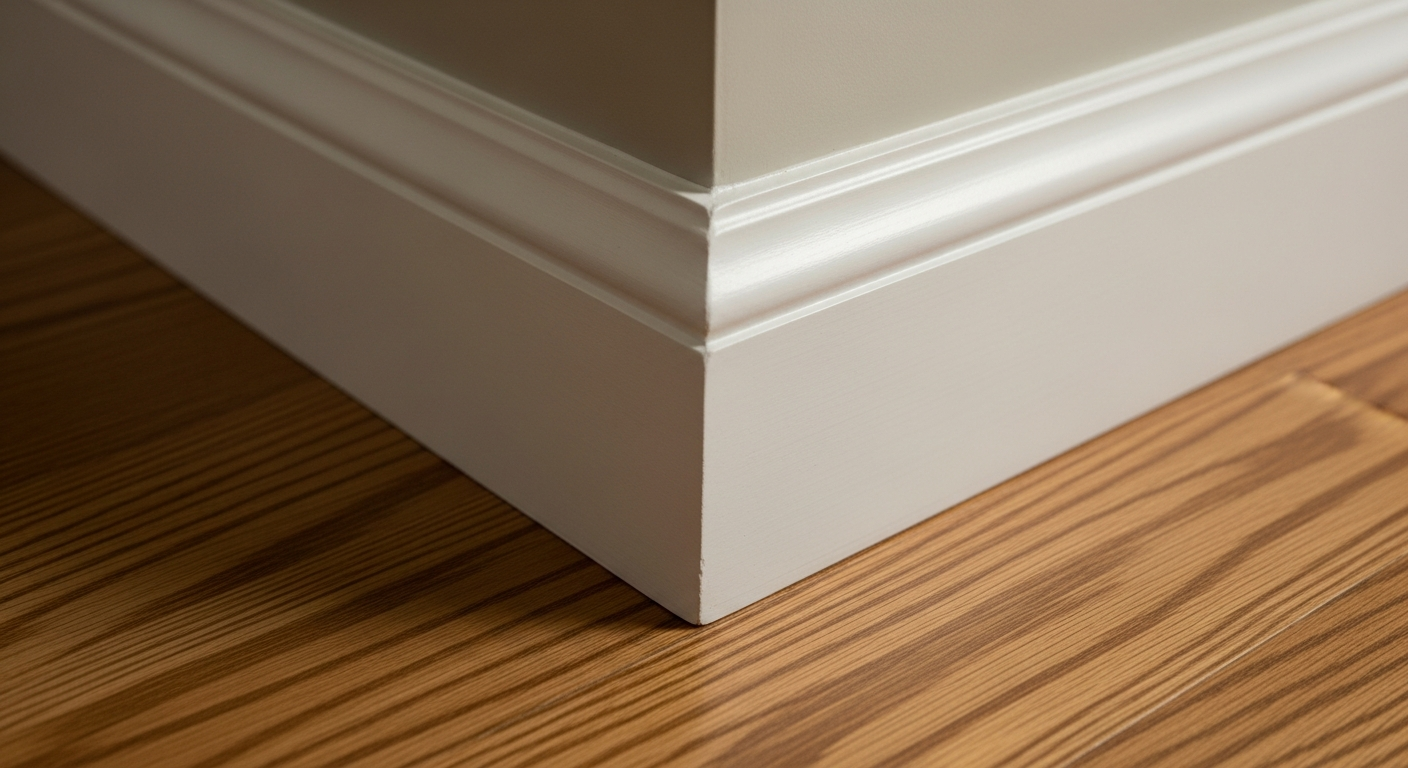
For structural durability in an Atlanta dining space, the coatings must rely on advanced polyurethane dispersion or waterborne alkyd chemistry. These coatings undergo a complex oxidation and cross-linking process as they cure. The polymer chains weave tightly together, forming a hardened, continuous film that mimics the durability of traditional oils without the yellowing or high VOC emissions. This chemical fortification provides the highest level of scrub-resistance and impact deflection necessary to protect the dining room's architecture over decades.
Flawless Execution Under Raking Evening Light
The final application of coatings in a dining room is where raw chemistry meets the traditions of the master builder. Because dining rooms are heavily utilized in the evening, the artificial lighting acts as a spotlight on the surface geometry. Roller stipple, heavy brush marks, and flashing (uneven sheen) are unacceptable.
Executing a flawless finish requires a deep understanding of fluid dynamics and surface tension. The master painter manipulates the coating's rheology—its flow and leveling properties—by carefully managing the ambient temperature and utilizing highly specific application tools. For millwork, ultra-fine synthetic filaments or high-velocity, low-pressure atomization (HVLP) spray systems are employed to lay the coating down in uniform mil-thickness.
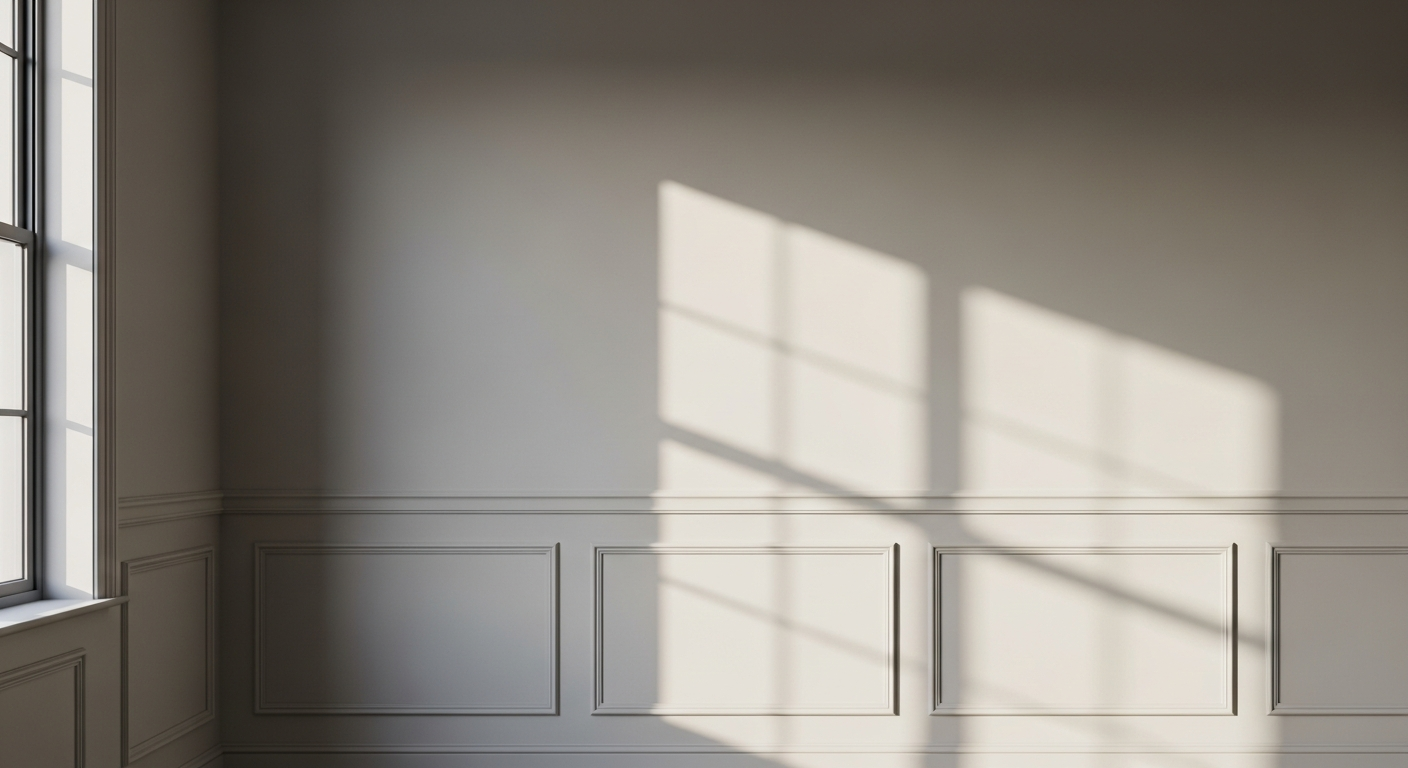
The coating is applied, rapidly laid off to align the polymers, and then left strictly alone to allow the chemical leveling agents to pull the surface tight before the flash-off period ends. The result is a glass-smooth, monolithic surface that catches the evening light with absolute uniformity.
True craftsmanship in the dining room is not about the colors chosen; it is about the structural integrity beneath them. It is the meticulous preparation, the uncompromising application of chemical science, and the physical mastery of the materials that ensure the space will endure the forces of Atlanta's climate and the heavy use of daily life.
 After
After Before
Visualize Your Space with Color Studio AI
Planning a project? Skip the paint chip guesswork. Use our Color Studio AI to instantly visualize these paint colors on your own walls, or take advantage of our aligned contractor pricing matching current Sherwin-Williams retail promotions.
Book Your Upcoming Paint Project
Craftsman Painter is now scheduling premium transformations. Secure your spot and elevate your property value.
Get an EstimateHelp Others Find Professional Color Insights
Share this story directly to your networks or copy the link to share with friends.