

If you live in Flagstaff, Arizona, the exterior envelope surrounding your mudroom doorway faces a brutal set of environmental conditions. High-altitude UV rays bake the wood, breaking down paint binders at a cellular level. Rapid freeze-thaw cycles force moisture into microscopic cracks, freezing, expanding, and blowing the paint right off the siding.
You step out of your mudroom, and you see it: flaking, peeling wood siding framing the doorway. Most homeowners grab a scraper, slap on some exterior latex, and wonder why it peels again nine months later. I am going to walk you through the proper mechanical repair of exterior wood siding so you never have to scrape that mudroom transition again.
The Mechanics of High-Altitude Paint Failure
Before you sand a single board, you must understand why the substrate failed. Flagstaff sits at roughly 7,000 feet. The ultraviolet radiation at that elevation aggressively degrades the top layer of wood fibers. If the wood was left exposed for even a few weeks before the original paint job, those wood fibers were already chemically compromised.

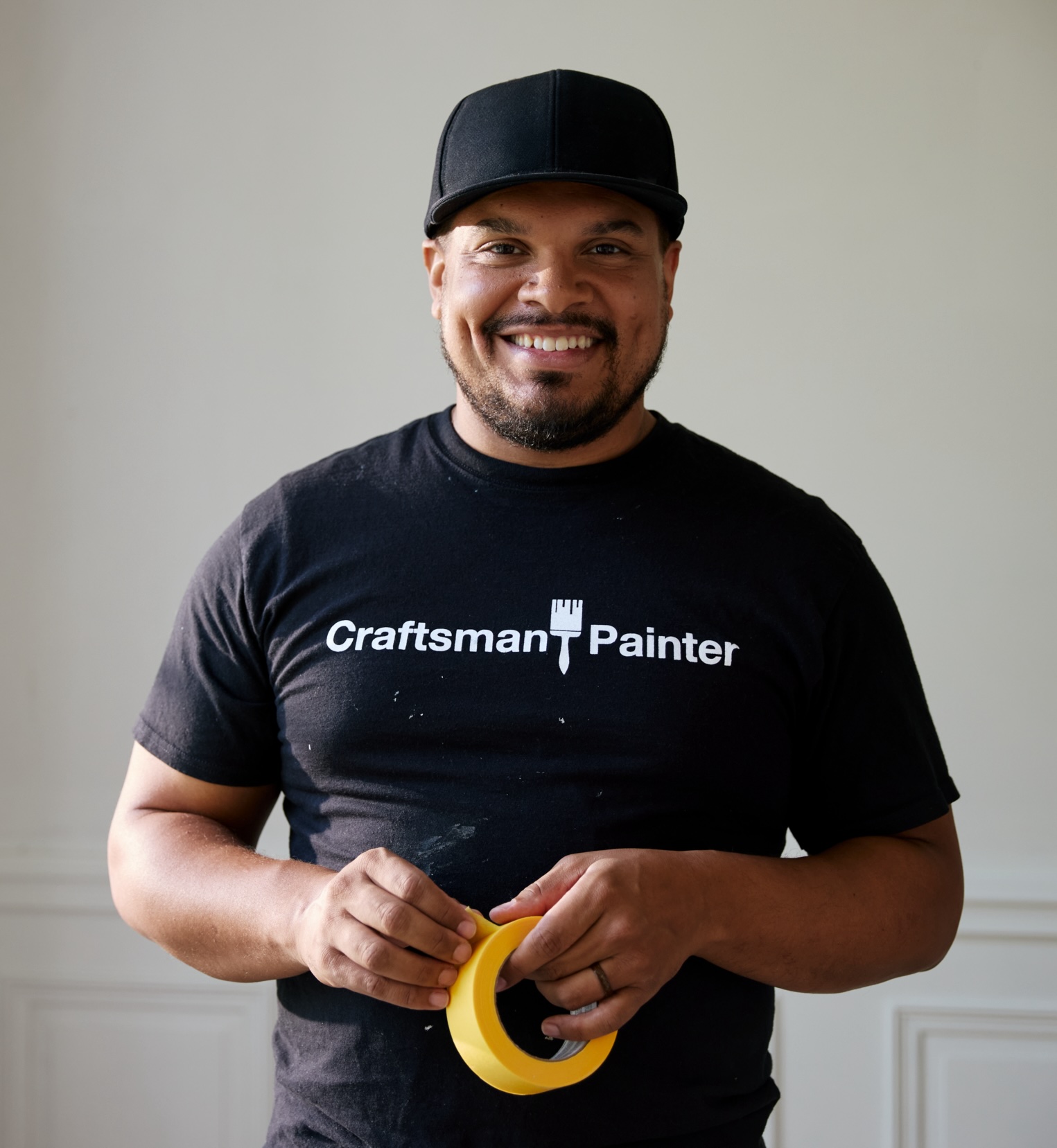
Work Directly with Torlando Hakes
Skip the color choice stress. Work directly with me as your personal Color Designer to select the perfect architectural palette for your home, and get a Complementary Color Consultation when you purchase paint through us.
Add heavy snow loads, sleet, and freezing rain to the equation. The mudroom entrance often features an overhang where ice dams form, or an adjacent deck where snow piles up against the lower siding boards. Water sits on the ledge. The sun comes out, melts the snow, and the water soaks directly into the wood. The temperature drops rapidly at night, the water freezes, and the resulting ice physically pushes the paint film away from the wood substrate.
You cannot solve this structural failure with a thicker coat of paint. You must re-establish the mechanical bond between the coating and the raw wood.
Stripping Away the Sins of the Past
Failing paint must be removed entirely. Scraping the loose flakes and feathering the edges provides a temporary bandage at best. To execute a repair that withstands extreme winters, I advise taking the peeling sections completely down to bare wood.
Use a sharp carbide scraper to pull off everything lacking total adhesion. Follow up with a random orbital sander starting with 60-grit paper to remove oxidized wood cells. Move to 80-grit paper to create the perfect scratched profile for primer adhesion. The objective is to reach clean, bright wood. If the wood looks gray or weathered, the surface cells are dead. Paint will not stick to dead wood fibers. Sand the surface until you see the natural, fresh tone of the cedar or pine.
The siding immediately outside a busy mudroom also absorbs routine physical impact from ski poles, heavy boots, and slammed doors. The substrate requires a perfectly solid foundation to resist this daily abuse.

The One Prep Mistake You Cannot Afford to Make
Here is where the vast majority of exterior paint jobs fail. Homeowners sand the wood, wipe off the dust, and immediately apply a heavy layer of acrylic exterior paint.
Acrylic paints dry incredibly fast. They sit right on top of the wood surface. In a climate driven by severe freeze-thaw cycles, a surface-level coating inevitably loses its grip. The critical step is applying a slow-drying, penetrating oil-based primer.
An alkyd oil primer takes hours to cure. During that extended drying time, the oils wick deep into the porous wood grain. The primer locks into the cellular structure of the siding, creating microscopic roots. Once fully cured, it forms an impermeable barrier that completely blocks moisture from entering the wood while providing an unyielding foundation for the topcoat. Skip this crucial step, and you guarantee future peeling.

Caulking the Friction Points
The mudroom door casing meets the wood siding at a highly vulnerable seam. As the house shifts and seasonal temperatures wildly swing, this seam opens and closes. Water easily infiltrates these tiny gaps during heavy snowstorms.
After priming the bare wood, inspect every vertical seam, nail head, and joint. Fill these gaps with a premium elastomeric sealant. Standard acrylic painter's caulk dries hard and cracks under routine structural movement. Elastomeric caulk stretches up to 300 percent of its original size. It moves continuously with the house as the wood expands in the summer sun and contracts in the freezing winter air. Tool the caulk perfectly smooth with a damp finger or a tooling knife to ensure water flows cleanly off the transition zone without pooling.

Formulating the Final Defense
With the substrate stabilized, primed, and completely sealed, apply the topcoat. The exterior wall outside your mudroom requires a paint formulated specifically for extreme weather and high flexibility.
Select a 100 percent acrylic resin exterior paint. Unlike the rigid oil primer underneath, the topcoat needs to remain slightly flexible to expand and contract over the sealed wood. Apply two full coats to achieve the proper film thickness required by the manufacturer.
Color choice directly impacts longevity in high-altitude environments. Extremely dark colors absorb massive amounts of UV radiation and heat up significantly, accelerating fading and forcing the wood to expand rapidly. Mid-tone neutrals or earthy shades balance UV absorption while successfully hiding the inevitable scuffs from snow shovels, wet dogs, and dirty gear resting against the wall.
Engineering Longevity
Home repair demands uncompromising attention to detail at the foundational level. The mudroom handles the chaos of outdoor gear, wet weather, and heavy traffic. The exterior siding guarding that exact threshold requires absolute structural integrity.
Protect the wood by respecting the chemistry of the coatings and the physical realities of the environment. Do the hard work of stripping the surface back to bare wood. Apply the slow-drying primer to penetrate the grain. Seal the joints with elastomeric caulk. By strictly adhering to these fundamental craftsmanship standards, you ensure the exterior envelope of your home withstands the harshest high-altitude winters without peeling, cracking, or failing.
 After
After Before
Visualize Your Space with Color Studio AI
Planning a project? Skip the paint chip guesswork. Use our Color Studio AI to instantly visualize these paint colors on your own walls, or take advantage of our aligned contractor pricing matching current Sherwin-Williams retail promotions.
Book Your Upcoming Paint Project
Craftsman Painter is now scheduling premium transformations. Secure your spot and elevate your property value.
Get an EstimateHelp Others Find Professional Color Insights
Share this story directly to your networks or copy the link to share with friends.