

Cleveland’s extreme climate swings punish wood structures. The heavy, humid summers near Lake Erie transition rapidly into bone-dry, furnace-heated winters indoors. Wood expands and contracts violently under these shifting conditions. Combine that heavy regional climate pressure with the localized stress of boiling pasta water and radiating ovens, and your cabinet joints face continuous structural warfare.

Stop Sanding Grease into the Grain
Premium painting starts with exhaustive chemical surface preparation. Your kitchen is covered in invisible layers of aerosolized cooking oils, human skin oils from opening doors, and embedded environmental grime. Many amateur painters immediately grab a sanding sponge and start scrubbing the wood. This is a fatal error.
Dry sanding heavily soiled wood drives the grease deeper into the grain, permanently contaminating the substrate and guaranteeing the new paint will blister and peel a few months later. Wash your cabinets thoroughly with a heavy-duty, commercial degreaser. Scrub the profiles around the handles and the undersides of the upper cabinets. Rinse them completely clean with fresh water. Only after the surface is completely clean and dry do you introduce sandpaper to create a mechanical profile for the new coating to grip.

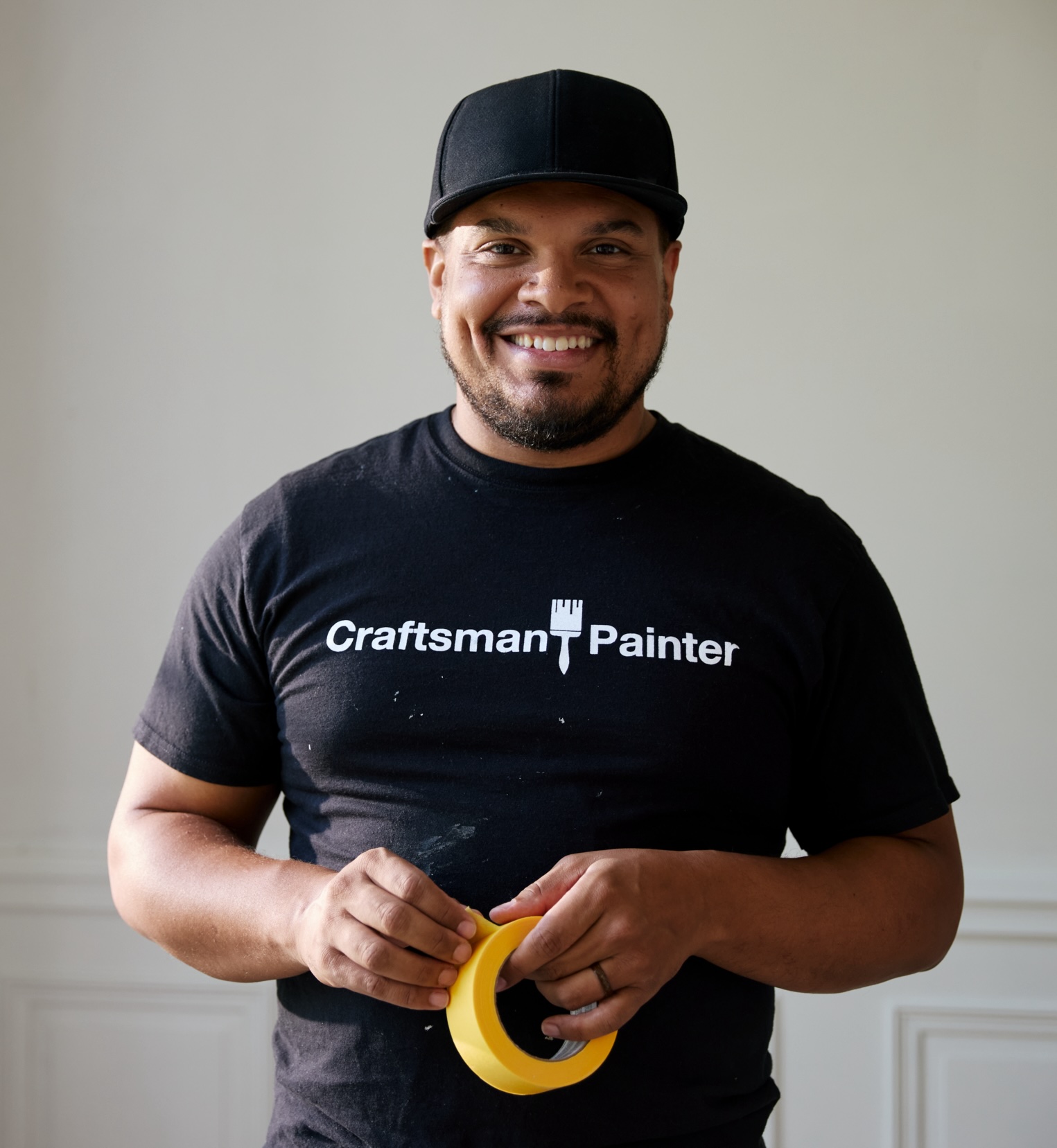
Work Directly with Torlando Hakes
Skip the color choice stress. Work directly with me as your personal Color Designer to select the perfect architectural palette for your home, and get a Complementary Color Consultation when you purchase paint through us.
The Primer Rule You Cannot Break
Paint requires a secure anchor to survive daily use. Your primer establishes this critical chemical and mechanical bond. Standard interior drywall primers lack the formulation required to grip dense cabinet woods like maple, cherry, or oak.
The repetitive motion of hands pulling doors and opening heavy storage drawers demands an industrial-grade bonding primer. Shellac-based primers or advanced urethane-modified alkyds lock onto tight wood grains, seal in tannin bleed, and block stubborn stains. They level out perfectly flat and dry to a hard, sandable shell. Sand the primer layer lightly with fine-grit paper to remove any raised grain, ensuring a flawlessly smooth transition to the topcoat.

Bridging the Gaps for Structural Integrity
Wood joints inevitably move under the fluctuating humidity levels of Cleveland homes. Most traditional five-piece cabinet doors—a flat center panel surrounded by a joined frame—have deep seams where the wood pieces intersect.
Rigid wood fillers crack and crumble out of these seams when the temperature and humidity shift. The debate over what to do with these seams is a hot topic on the painter forums. Our preferred method is to leave these seams free to move and adjust. While painting, use a toothpick to remove any “teeth” that appear. However, if you must, address these moving joints with highly flexible, premium acrylic-urethane caulking. Work the caulk deep into the gaps using a damp finger or specialized tooling to create a seamless, flush profile before painting. This creates a cohesive, flexible bridge that withstands the constant mechanical stress of swinging doors and the intense humidity generated right next to the dishwasher. However, there are no guarantees here. Even a high elasticity caulking can crack under enough pressure.

Laying Down an Enamel Shield Built to Last
The final finish must deliver extreme durability and washability to survive the daily culinary grind. Standard flat or eggshell wall paints absorb grease and will scrub completely away under a wet sponge. Your kitchen cabinets requires a dedicated, high-performance cabinet enamel.
Waterborne alkyd urethane enamels or 1K Polys provide the hard, scrubbable, impact-resistant finish of traditional oil paints while maintaining the color retention and rapid drying times of modern water-based technology. Apply the enamel in very thin, even coats. Thin coats cure substantially harder and faster than thick, heavy applications.

Allow adequate curing time before putting the kitchen back into heavy service. Paint feels dry to the touch within hours, but the coating must crosslink and harden fully over several weeks to withstand the daily impact of pots, pans, and fingernails. Focus strictly on the integrity of the substrate, execute these structural preparation steps rigorously, and lay down a foundation that will hold strong for decades.
 After
After Before
Visualize Your Space with Color Studio AI
Planning a project? Skip the paint chip guesswork. Use our Color Studio AI to instantly visualize these paint colors on your own walls, or take advantage of our aligned contractor pricing matching current Sherwin-Williams retail promotions.
Book Your Upcoming Paint Project
Craftsman Painter is now scheduling premium transformations. Secure your spot and elevate your property value.
Get an EstimateHelp Others Find Professional Color Insights
Share this story directly to your networks or copy the link to share with friends.