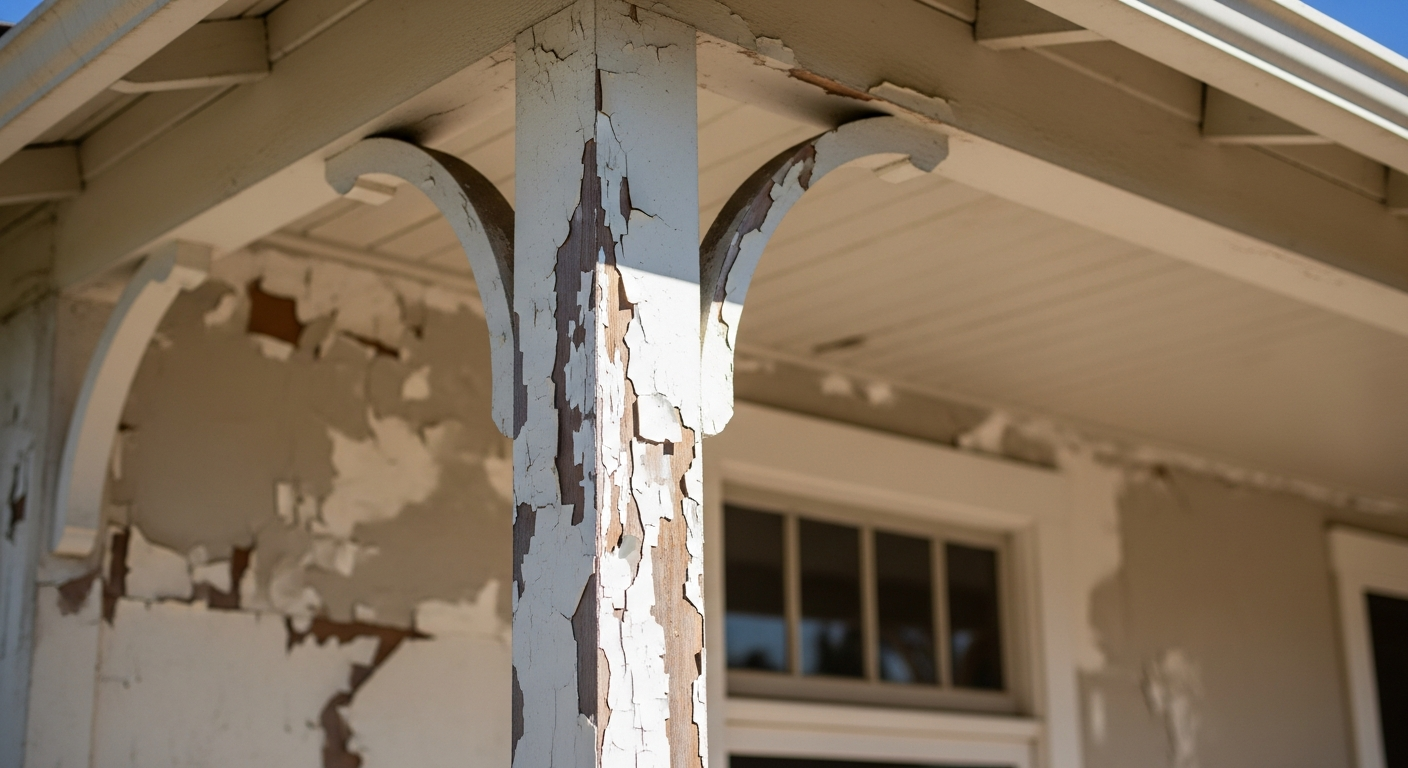
When a porch begins to rot, warp, or shed its paint in massive sheets, it is rarely an aesthetic failure. It is a catastrophic breakdown of chemistry and structural mechanics. Understanding the microscopic interaction between wood fibers, coastal moisture, and synthetic polymers is the only way to forge a surface that survives the harsh realities of the Southern California coast.
The Marine Layer Menace and Substrate Saturation
The daily meteorological cycle in San Diego is inherently hostile to wood. The morning marine boundary layer deposits microscopic droplets of salt-laden water onto porous porch railings, deck boards, and column bases. A few hours later, the high-index California sun burns through, rapidly baking that moisture deep into the substrate.
This violent daily cycle of saturation and evaporation causes wild swings in the wood’s cellular volume. The expansion and contraction generate immense shear forces at the surface level, literally ripping the mechanical bond between the wood fibers and the paint film. Over time, salt aerosols accumulate in the micro-fissures, acting as a desiccant that permanently dries out the natural oils in the wood, turning structural timber into brittle kindling.

Work Directly with Torlando Hakes
Skip the color choice stress. Work directly with me as your personal Color Designer to select the perfect architectural palette for your home, and get a Complementary Color Consultation when you purchase paint through us.
Eradicating the Dead Lignin
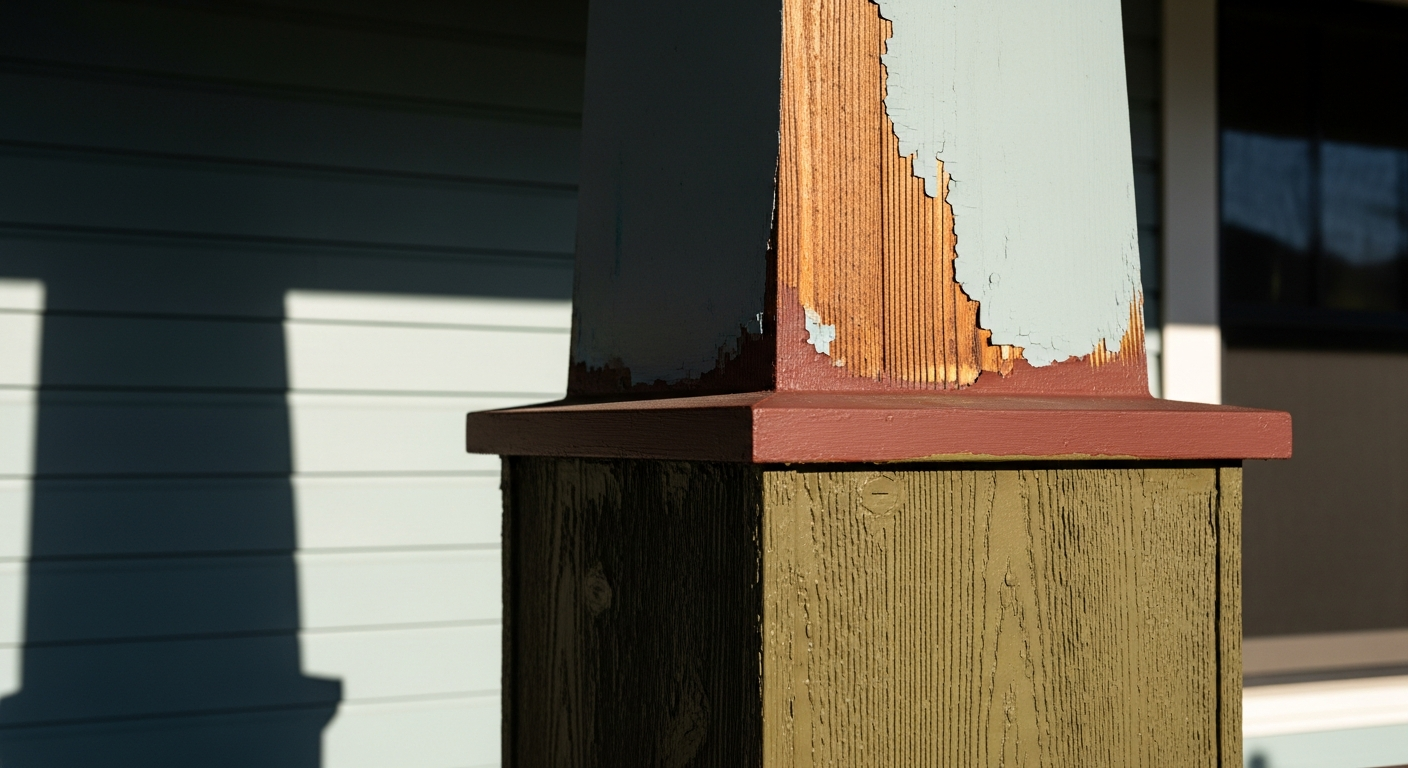
There is a pervasive, lazy myth in residential painting that a light scuff sand is sufficient for exterior adhesion. Sanding is not a suggestion; it is a structural imperative. Paint chemistry, no matter how advanced, cannot compensate for biological decay.
When UV light degrades lignin—the natural organic glue holding wood fibers together—the top microscopic layer of the wood transforms into a fragile, detached sponge known as "gray wood." Applying a high-end coating over degraded lignin is the equivalent of building a concrete foundation on loose sand. Delamination is inevitable. Mechanical abrasion must be executed with heavy-grit abrasives, stripping the substrate down past the UV damage until bright, structurally sound cellulose is fully exposed. Only then can a coating achieve true mechanical anchoring.
Cross-Linking Polymers and the Armor of Urethane Alkyds
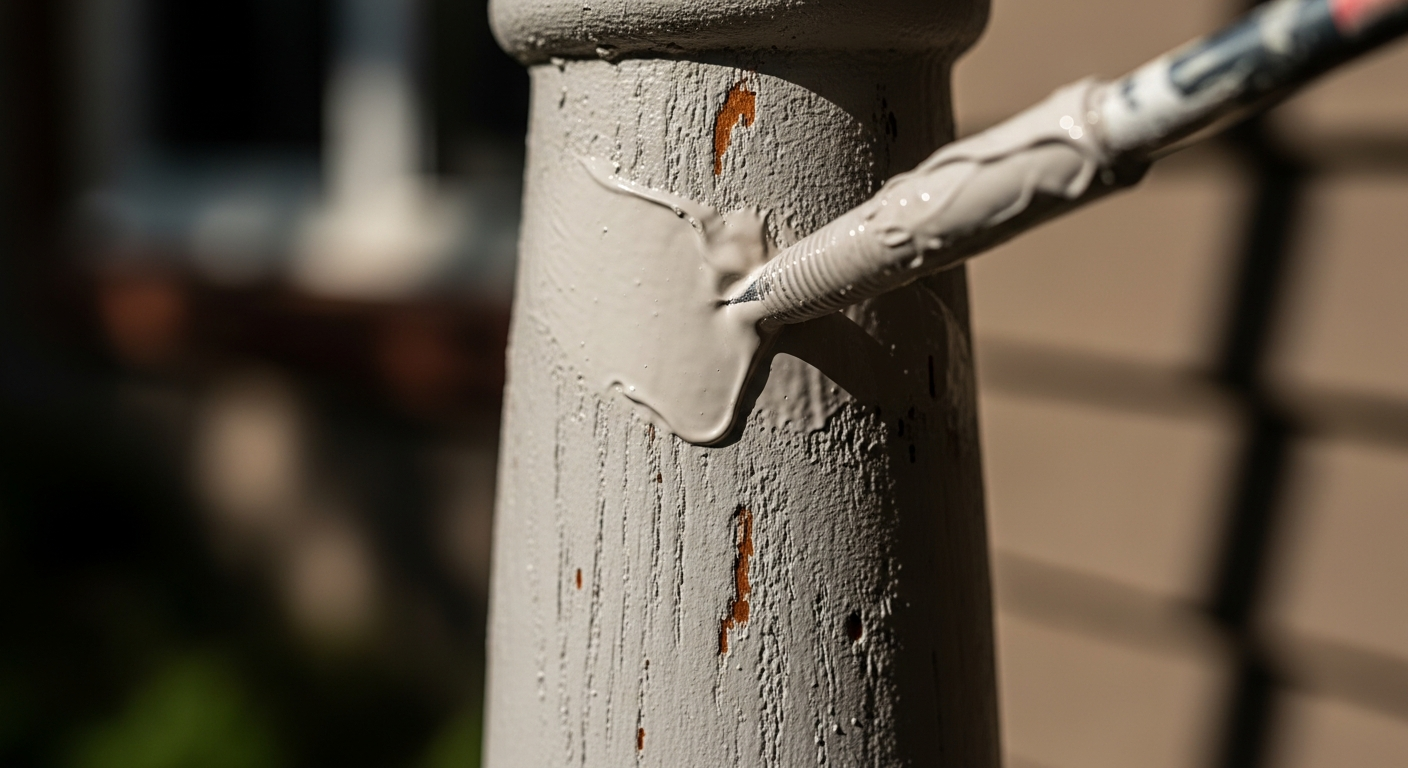
Stop applying standard thermoplastic acrylic latex to horizontal garden porch surfaces and high-touch balusters. Traditional water-based acrylics remain pliable and soft under the intense Southern California sun. They lack the molecular density to resist the abrasive friction of dragging terra cotta planters, heavy foot traffic, and the settling of gritty, wind-blown coastal sand.
A true master craftsman specifies urethane-modified alkyds for these architectural focal points. The alkyd component consists of smaller molecules that deeply penetrate the cellular structure of the bare wood, achieving a profound root-like grip. As the coating cures, the urethane component cross-links, forming a highly rigid, densely woven polymer matrix. This creates an impenetrable armor that locks out marine moisture while maintaining enough tensile strength to withstand the relentless physical abuse unique to a working garden porch.
Arresting Capillary Action at the End Grain
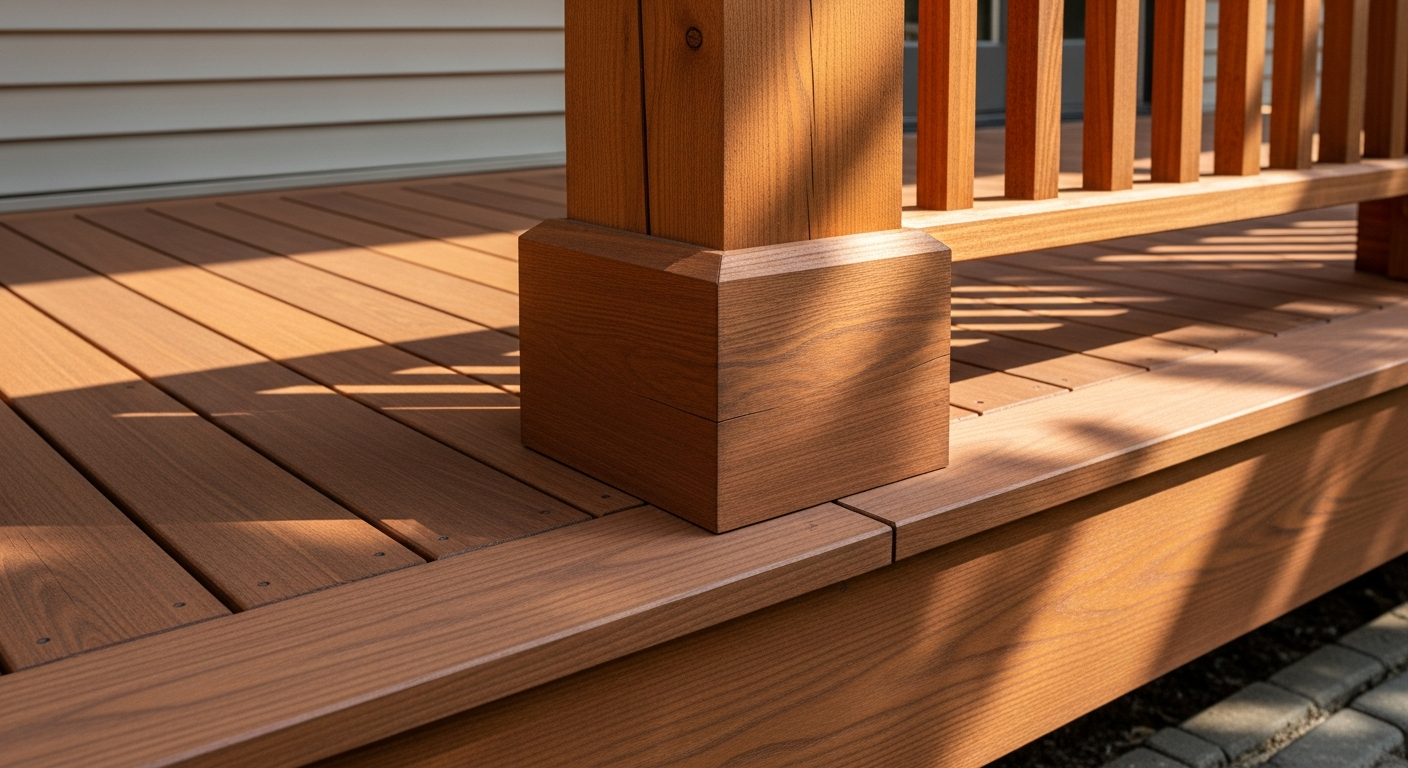
The most critical points of failure on any timber structure are the invisible ones. The end grain of a wood board—found at the bases of heavy timber columns resting on porch decks, the undersides of handrails, and the exposed tips of decking boards—acts like thousands of microscopic straws.
When morning dew or irrigation runoff pools at these joints, capillary action aggressively pulls moisture upward into the core of the wood. As the ambient temperature rises, this trapped water turns to vapor, generating severe hydrostatic pressure that forcefully pushes the paint off the wood from the inside out.
Mitigating this requires isolating the end grain before a single drop of primer is ever introduced. Two-part penetrating epoxy resins must be utilized to consolidate the open pores at the end grain. The low-viscosity epoxy wicks into the cellular straws and cures into a solid plastic plug. By physically severing the moisture transmission route, the structural integrity of the joint is locked in perpetuity.
The Standard of Permanence
True craftsmanship on the garden porch is entirely devoid of shortcuts. It demands a rigorous, almost clinical approach to substrate analysis and material science. By respecting the physics of the coastal environment and dictating the chemistry of the barrier, a properly restored structure will not simply survive the elements—it will command them, outlasting the very hands that rebuilt it.
 After
After Before
Visualize Your Space with Color Studio AI
Planning a project? Skip the paint chip guesswork. Use our Color Studio AI to instantly visualize these paint colors on your own walls, or take advantage of our aligned contractor pricing matching current Sherwin-Williams retail promotions.
Book Your Upcoming Paint Project
Craftsman Painter is now scheduling premium transformations. Secure your spot and elevate your property value.
Get an EstimateHelp Others Find Professional Color Insights
Share this story directly to your networks or copy the link to share with friends.