
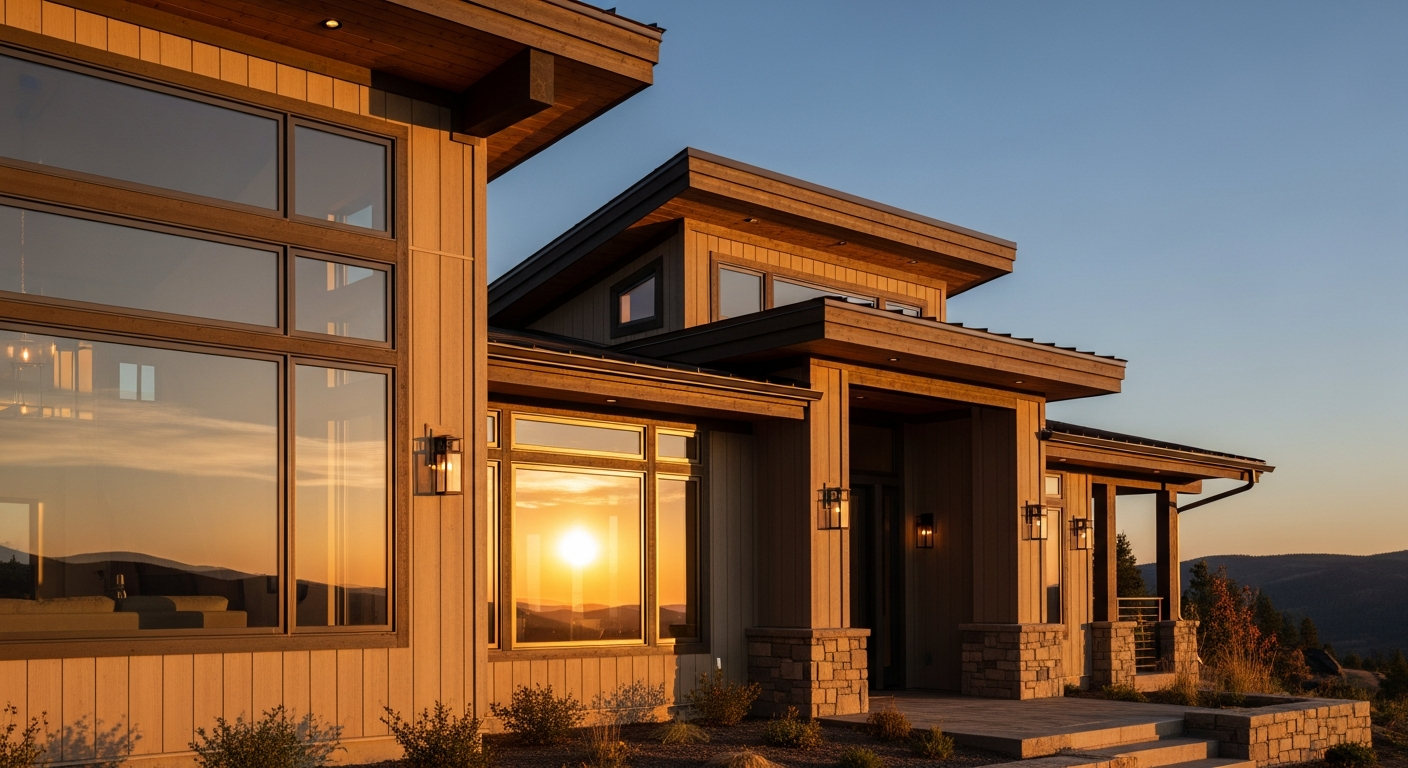
This is the culinary mudroom—not a mere space for discarded boots, but a sensory airlock. It is the crucial decompression chamber where the wild, high-desert environment is stripped away, and the grand orchestration of a mountain dinner party begins. The acoustics shift. The barometric pressure feels different. And the anticipation of the feast hits with the force of a perfectly reduced demi-glace.
The Sensory Airlock of the High-Desert Home
To understand the art of high-altitude cooking is to respect the environment that surrounds it. The mudroom serves as the ultimate staging ground for this transition. It is here that the heavy, soil-caked hauls from the farmer’s market or a mountain foraging excursion are unburdened. The dirt, the snow, and the pine needles remain on the rugged slate floors, while only the pristine, curated ingredients are ushered into the immaculate sanctum of the kitchen.
This space orchestrates the physical and psychological shift from survival in the elements to the sheer indulgence of the hearth. The tactile experience of peeling off damp, heavy layers allows the senses to reset. It is a palate cleanser for the nose. Stripped of the cold, the olfactory receptors are suddenly hit with a wall of blooming garlic, rendered pork fat, and caramelized mirepoix.

Work Directly with Torlando Hakes
Skip the color choice stress. Work directly with me as your personal Color Designer to select the perfect architectural palette for your home, and get a Complementary Color Consultation when you purchase paint through us.
The Altitude of Aromatics: How Flagstaff's Thin Air Transforms the Olfactory Arc of a Simmering Ragu
At nearly 7,000 feet above sea level, the physics of heat and pressure fundamentally rewrite the rules of the kitchen. The altitude of aromatics—specifically, how Flagstaff's thin air transforms the olfactory arc of a simmering ragu—is a phenomenon grounded entirely in culinary science.
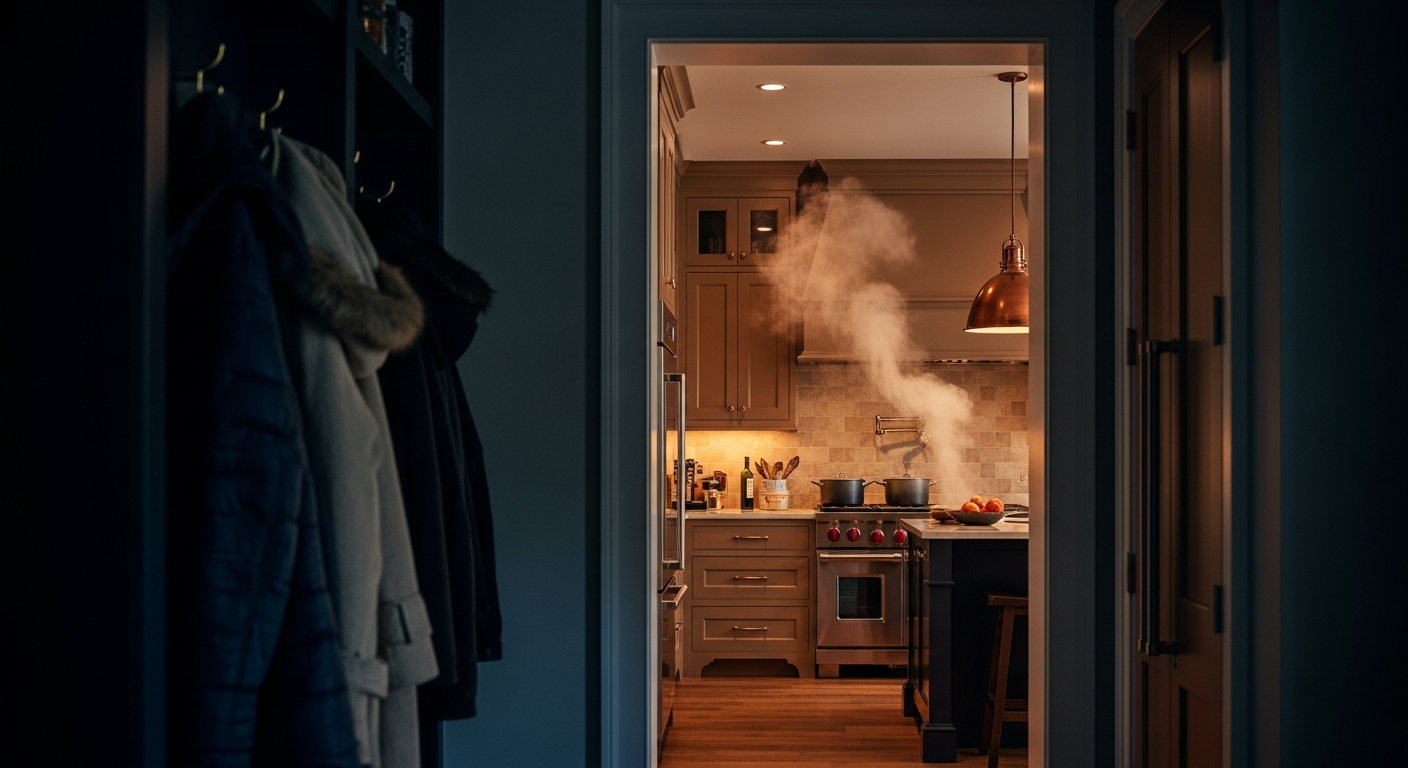
At sea level, water boils at 212°F, often agitating a sauce too violently, blowing out the delicate top notes of sweet basil or a bright Sangiovese. But in the thin mountain air of Flagstaff, the boiling point drops to roughly 199°F. A heavy, enameled Dutch oven resting on a low burner here does not aggressively boil; it yields. It stews with a gentle, rolling pulse.
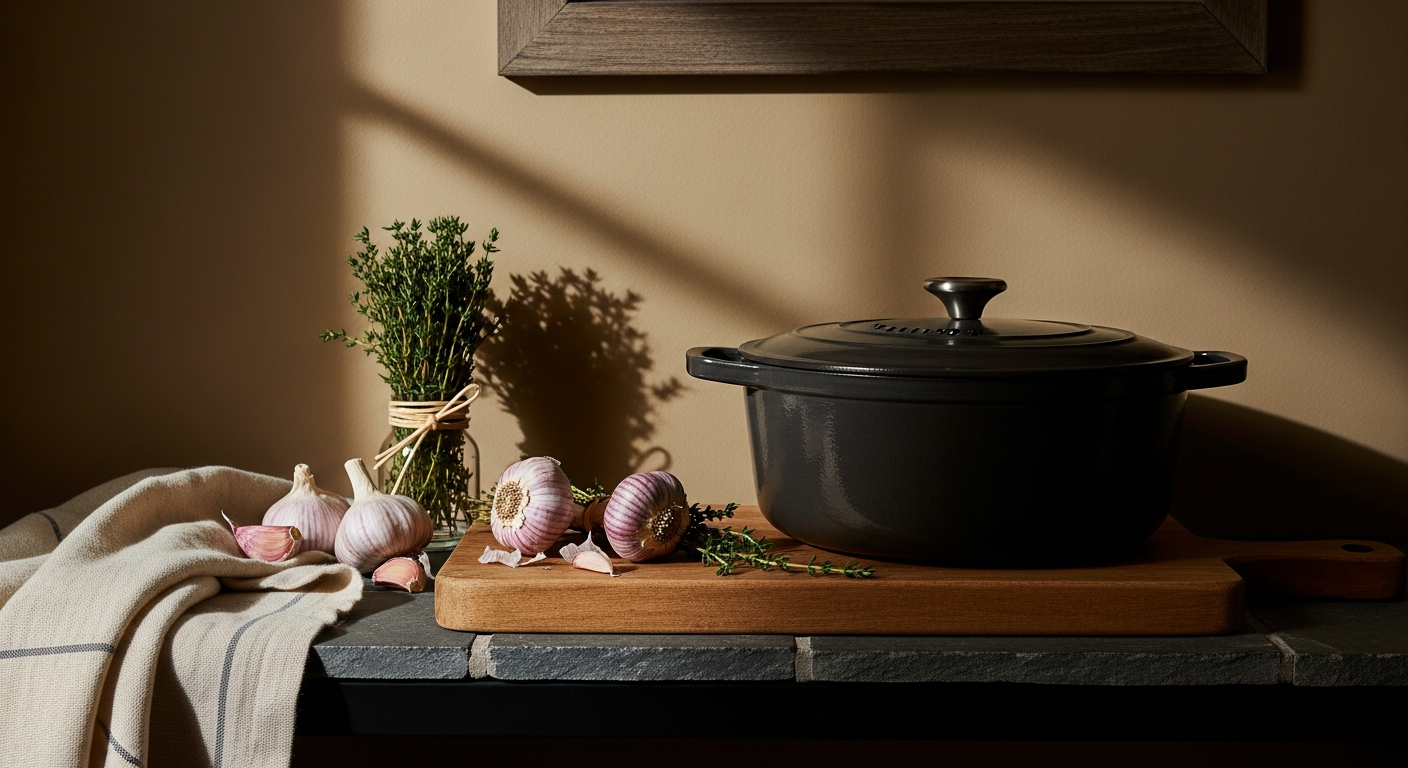
This lower temperature allows for a far more delicate extraction of fat-soluble flavor compounds. The rendering pancetta and the crushed San Marzano tomatoes break down slower, marrying their essential oils without scorching. Because the air is thinner and exceptionally dry, these volatile aromatic compounds evaporate more eagerly, traveling through the kitchen and pooling heavily in the cooler air of the mudroom. It is why guests, the moment they step over the threshold, are instantly intoxicated by a depth of scent that simply cannot be replicated at lower elevations.
The Acoustics of Arrival and the Mechanics of the Kitchen
Cooking is as much about sound as it is about taste, and the dinner party experience begins with a symphony of shifting acoustics. The mudroom acts as the acoustic foyer. The heavy, muffled thuds of snow-covered boots hitting the stone, the sharp, metallic snap of jacket hardware, and the rustle of damp scarves slowly yield to the rhythmic pulse of the kitchen.
As the physical barriers of the outdoors are shed, the ear tunes into the precision of the culinary craft. The sharp, clean thwack of a forged carbon-steel blade against an end-grain butcher block. The aggressive, percussive sizzle of an oyster mushroom hitting a blistering cast-iron skillet. The low, viscous blip of a deeply reduced ragu surfacing for air. The mudroom catches the chaotic noise of the arrival, filtering it so that only the intentional, focused sounds of a chef at work remain.
Orchestrating the Ultimate Mountain Dinner Party
A beautifully executed meal requires an impeccable sense of timing, and the mudroom is the conductor of that first impression. It dictates the pace at which guests transition from the freezing dark into the radiant warmth of the host’s domain.
When the staging is deliberate, the transition is flawless. A low-lit mudroom, scented with the ambient vapor of a six-hour braise, forces a moment of pause. It builds an undeniable, mouth-watering anticipation before a single plate is poured, or a single glass of Nebbiolo is handed over. Mastering the high-altitude kitchen isn’t just about adjusting moisture levels or braising times; it is about honoring the contrast between the wild, freezing expanse of the mountains and the intoxicating, primal warmth of the fire inside.
 After
After Before
Visualize Your Space with Color Studio AI
Planning a project? Skip the paint chip guesswork. Use our Color Studio AI to instantly visualize these paint colors on your own walls, or take advantage of our aligned contractor pricing matching current Sherwin-Williams retail promotions.
Book Your Upcoming Paint Project
Craftsman Painter is now scheduling premium transformations. Secure your spot and elevate your property value.
Get an EstimateHelp Others Find Professional Color Insights
Share this story directly to your networks or copy the link to share with friends.